
Your Heart Doesn’t Always Shout for Help: 7 Silent Signs You Shouldn’t Ignore
When it comes to heart health, many of us think symptoms are dramatic—chest pain, shortness of breath, or fainting. But the truth is, your heart doesn’t always shout for help. Sometimes, it whispers—and those quiet signals can be just as serious. Paying attention to these subtle signs could make all the difference.
1. Unexplained Fatigue
Feeling unusually tired, even after a good night’s sleep, could indicate your heart is struggling to pump blood efficiently. Persistent fatigue shouldn’t be ignored, especially if it’s a sudden change from your normal energy levels.
2. Shortness of Breath During Routine Activities
Getting winded from climbing a few stairs or walking short distances may seem normal as we age, but it can be an early sign of heart problems. Noticeable changes in stamina warrant a checkup.
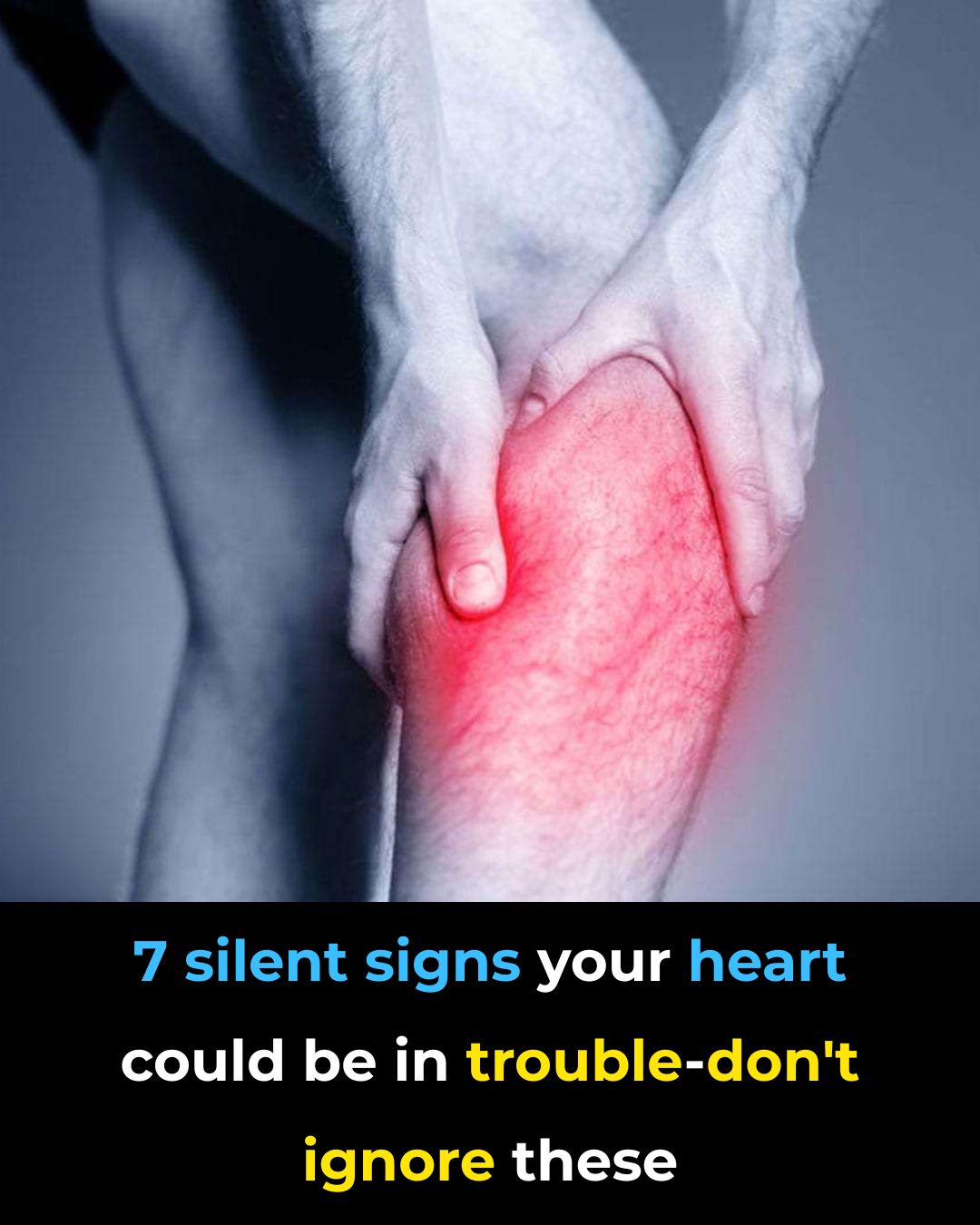
3. Swelling in the Legs, Ankles, or Feet
Fluid buildup in the lower extremities can indicate that your heart isn’t circulating blood properly. This swelling, called edema, is often overlooked but may point to heart failure or other cardiovascular issues.
4. Irregular Heartbeat or Palpitations
Occasional skipped beats are normal, but frequent irregularities, rapid heartbeats, or fluttering sensations could signal arrhythmia or other heart concerns.
5. Persistent Cough or Wheezing
A lingering cough or wheezing—especially if it worsens at night—can sometimes be linked to heart problems rather than a respiratory issue. Fluid buildup in the lungs may be the culprit.
6. Dizziness or Lightheadedness
Feeling faint or dizzy could mean your heart isn’t pumping enough blood to the brain. This symptom, especially if recurring, should prompt medical attention.
7. Chest Discomfort That Comes and Goes
Even mild pressure, tightness, or a squeezing sensation can be a warning sign, particularly if it appears during activity or stress. Don’t wait for severe pain to take action.
Listen to Your Heart
Heart disease is often preventable and manageable, but early detection is crucial. If you notice any of these silent signs, schedule a consultation with a healthcare professional. Your heart may be whispering for help—and catching the warning early could save your life.
