
Why Do We Feel an Electric Shock When We Touch Another Person? Science Explains
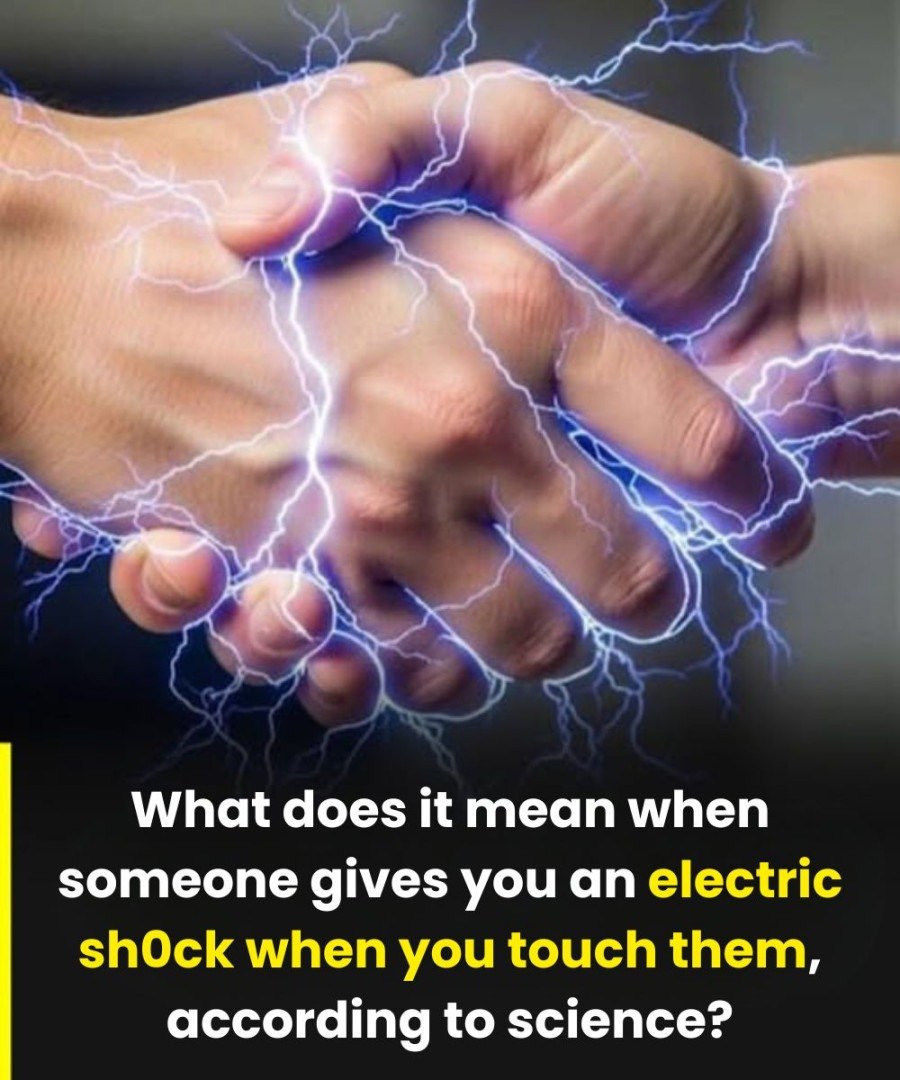
Almost everyone has experienced it: you reach out to touch someone—shake a hand, tap a shoulder, or brush past a friend—and suddenly zap! A tiny electric shock surprises you both. While it may feel mysterious, this common sensation has a clear scientific explanation.
It’s All About Static Electricity
The “shock” you feel isn’t dangerous electricity from the body—it’s static electricity. Static electricity builds up when there’s an imbalance of electric charges on the surface of objects, including your body.
This usually happens through friction, such as:
- Walking on carpet
- Sliding across a car seat
- Rubbing certain fabrics together
As you move, electrons transfer from one surface to another. When enough electrons build up on your body, they look for a way to escape.
Why It Happens When You Touch Someone
When you touch another person—or even a metal object—the built-up electrical charge suddenly discharges. That rapid movement of electrons creates the small spark or shock you feel.
If the other person has a different electrical charge than you, the discharge can be stronger, making the sensation more noticeable.
Why Shocks Are Worse in Winter
You’re more likely to feel these shocks during cold, dry weather. That’s because:
- Dry air doesn’t allow electric charges to leak away easily
- Humidity helps dissipate static electricity
In winter, indoor heating dries the air, creating perfect conditions for static buildup.
Why the Shock Sometimes Hurts
The shock feels sharp or stinging because it happens very quickly. Although the voltage can be high, the amount of current is extremely small, which is why it’s harmless for most people. It startles more than it injures.
Can People Really Conduct Electricity?
Yes—humans can conduct electricity because our bodies contain water and dissolved salts, which allow electric charges to move. That’s why static electricity can pass from one person to another so easily.
How to Reduce Static Shocks
If these shocks happen often, you can reduce them by:
- Increasing indoor humidity
- Wearing natural fibers like cotton instead of synthetics
- Moisturizing dry skin
- Touching metal objects with a key or knuckle first
The Science in Simple Terms
That little electric shock is simply nature balancing itself out. When extra electrons build up, they move quickly to a place with fewer electrons, restoring balance—and giving you a tiny zap along the way.
In Summary
Feeling an electric shock when touching another person is a normal, harmless result of static electricity. It’s more common in dry conditions and happens because your body temporarily stores electrical charge. Science may explain it simply—but it still manages to surprise us every time.Why Do We Feel an Electric Shock When We Touch Another Person? Science Explains
Almost everyone has experienced it: you reach out to touch someone—shake a hand, tap a shoulder, or brush past a friend—and suddenly zap! A tiny electric shock surprises you both. While it may feel mysterious, this common sensation has a clear scientific explanation.
It’s All About Static Electricity
The “shock” you feel isn’t dangerous electricity from the body—it’s static electricity. Static electricity builds up when there’s an imbalance of electric charges on the surface of objects, including your body.
This usually happens through friction, such as:
- Walking on carpet
- Sliding across a car seat
- Rubbing certain fabrics together
As you move, electrons transfer from one surface to another. When enough electrons build up on your body, they look for a way to escape.
Why It Happens When You Touch Someone
When you touch another person—or even a metal object—the built-up electrical charge suddenly discharges. That rapid movement of electrons creates the small spark or shock you feel.
If the other person has a different electrical charge than you, the discharge can be stronger, making the sensation more noticeable.
Why Shocks Are Worse in Winter
You’re more likely to feel these shocks during cold, dry weather. That’s because:
- Dry air doesn’t allow electric charges to leak away easily
- Humidity helps dissipate static electricity
In winter, indoor heating dries the air, creating perfect conditions for static buildup.
Why the Shock Sometimes Hurts
The shock feels sharp or stinging because it happens very quickly. Although the voltage can be high, the amount of current is extremely small, which is why it’s harmless for most people. It startles more than it injures.
Can People Really Conduct Electricity?
Yes—humans can conduct electricity because our bodies contain water and dissolved salts, which allow electric charges to move. That’s why static electricity can pass from one person to another so easily.
How to Reduce Static Shocks
If these shocks happen often, you can reduce them by:
- Increasing indoor humidity
- Wearing natural fibers like cotton instead of synthetics
- Moisturizing dry skin
- Touching metal objects with a key or knuckle first
The Science in Simple Terms
That little electric shock is simply nature balancing itself out. When extra electrons build up, they move quickly to a place with fewer electrons, restoring balance—and giving you a tiny zap along the way.
In Summary
Feeling an electric shock when touching another person is a normal, harmless result of static electricity. It’s more common in dry conditions and happens because your body temporarily stores electrical charge. Science may explain it simply—but it still manages to surprise us every time.
