
A Clever Solution to an Old Problem
Hundreds of years ago, many coins were made from precious metals like gold and silver. Because these metals were valuable, people sometimes shaved small amounts from the edges of coins and kept the metal dust. Over time, the coin would lose value, but it might still look normal at a glance.
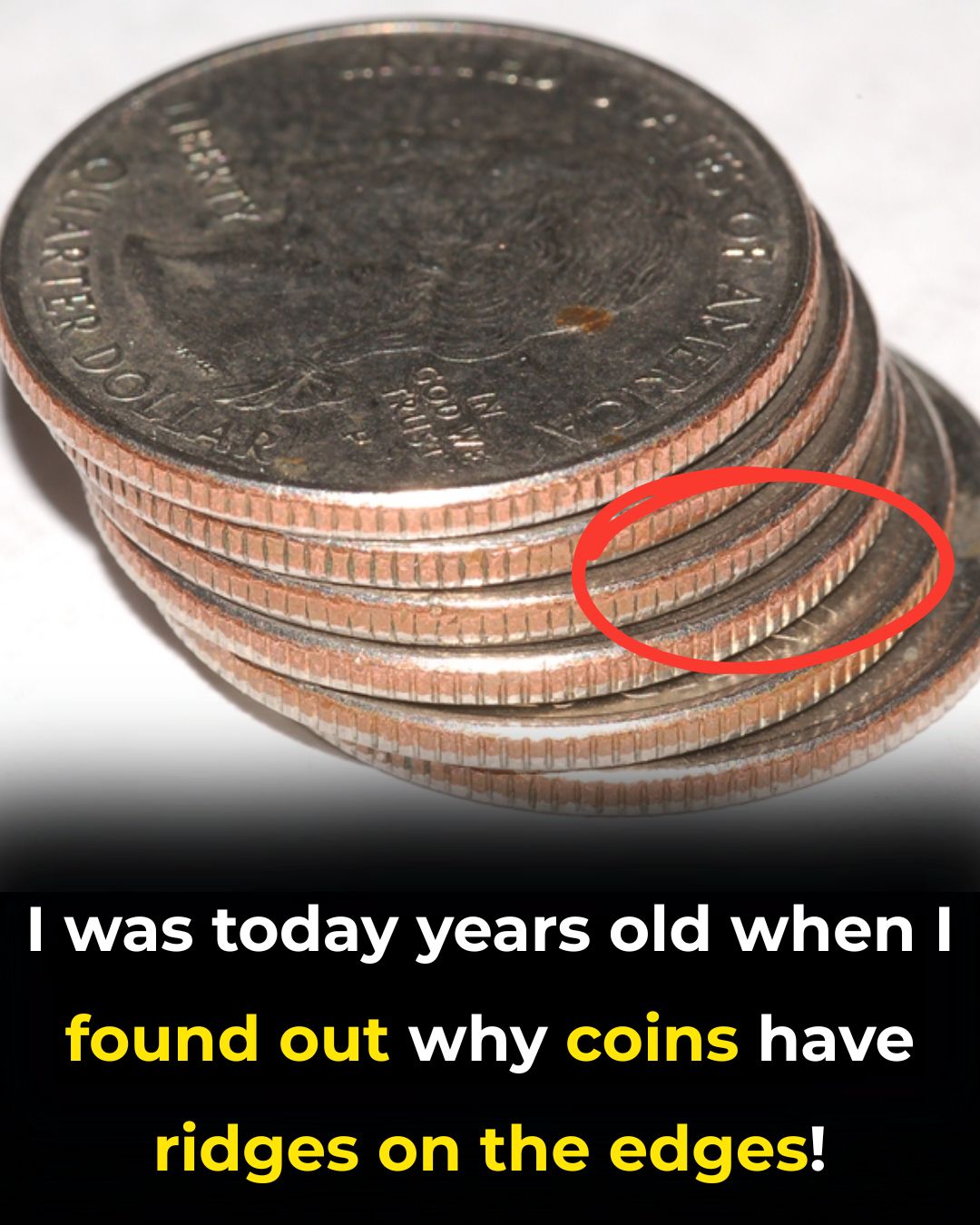
Ridges—also called reeding—were introduced to stop this. If a coin had ridges, any shaving would be immediately obvious. This simple design change protected the value of money and made cheating much harder.
Why Ridges Still Exist Today
Modern coins are no longer made from gold or silver, so edge shaving isn’t really an issue anymore. Yet ridges remain—and for good reasons.
- Easy identification: Ridges help people distinguish coins by touch, especially for those with visual impairments.
- Vending machines: Coin-operated machines rely on size, weight, and edge texture to identify coins accurately.
- Tradition and design: Ridges have become part of classic coin design, connecting today’s money to history.
Smooth vs. Ridged Coins
Not all coins have ridges. Pennies and nickels, for example, usually have smooth edges, while dimes and quarters have ridged ones. This contrast makes sorting coins faster and easier, even without looking.
It’s a small detail, but one that adds function without changing the coin’s size or shape—much like seasoning in a recipe that quietly makes everything work better.
A Small Detail with a Big Story
The ridges on coins are a reminder that everyday objects often carry hidden stories. What looks like a simple design choice is actually a clever solution passed down through generations.
Just like treasured recipes, these details stick around because they work—and because they connect us to the past in subtle but meaningful ways.
