
What Does the Yellow Dot on Tires Mean?
By La ré
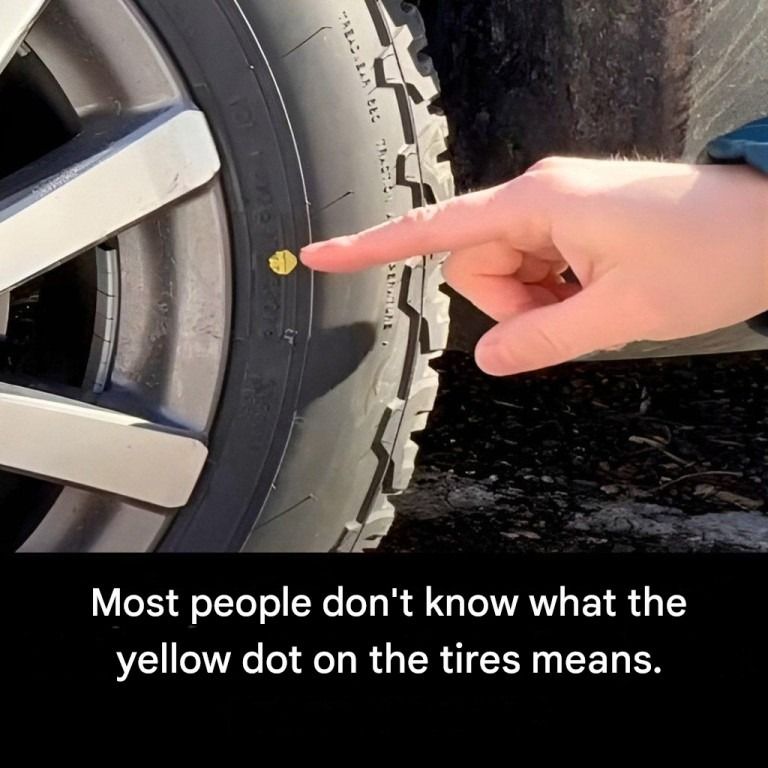
If you’ve ever looked closely at a brand-new tire, you may have noticed a small yellow dot on the sidewall. It’s subtle, easy to overlook, and often sparks curiosity. Is it a quality mark? A warning? Or just a design detail? The truth is simpler—and more useful—than you might think.
Here’s what the yellow dot on tires really means and why it matters.
The Yellow Dot Marks the Lightest Point
The yellow dot on a tire indicates the lightest point of the tire. During manufacturing, tires are tested for weight distribution, and the lightest spot is marked so installers can balance the tire more effectively.
When mounting a tire, professionals typically align the yellow dot with the heaviest point of the wheel, which is usually the valve stem. This helps reduce imbalance and minimizes the amount of weight needed to balance the tire.
Why Tire Balance Is Important
Properly balanced tires are essential for:
- Smooth driving and reduced vibration
- Even tire wear
- Better handling and steering control
- Longer tire and suspension life
By matching the lightest part of the tire with the heaviest part of the wheel, the tire assembly becomes more balanced right from the start.
Yellow Dot vs. Red Dot
Some tires have both yellow and red dots, and this can cause confusion.
- Yellow dot: Lightest point of the tire
- Red dot: Highest point of radial force (a slight variation in stiffness)
If both dots are present, most manufacturers recommend prioritizing the red dot, aligning it with a mark on the wheel that indicates the lowest point. If the wheel has no such mark, installers usually use the yellow dot and align it with the valve stem.
What If the Dot Is Missing?
Not all tires have colored dots. If there’s no dot, it simply means the manufacturer didn’t include one, or it wore off. Professional tire balancing machines can still ensure proper balance without these marks.
Does the Yellow Dot Affect Everyday Drivers?
For most drivers, the yellow dot doesn’t change how you use or maintain your tires. It’s mainly a guide for tire installers. Once the tire is mounted and balanced, the dot has done its job—even if it’s no longer visible.
Final Thoughts
The yellow dot on a tire isn’t a flaw or a warning—it’s a helpful manufacturing marker designed to improve balance and performance. While small, it plays an important role in ensuring a smoother ride and longer-lasting tires.
