
Safe practice:
Store potatoes in a cool, dark environment and avoid any that are very green or bitter.
⭐ 4. Pufferfish (Fugu): A Delicacy Requiring Expert Hands
Though not eaten everywhere, pufferfish is a prized delicacy in Japan and other parts of Asia. However, it contains powerful neurotoxins in specific organs.
Why it matters:
Incorrect preparation can be fatal.
Safe practice:
Only licensed, highly trained chefs are allowed to prepare it.
⭐ 5. Elderberries: A Superfood With Limits
Elderberries are popular in jams, syrups, and teas for their antioxidant benefits. Yet raw berries, leaves, and stems contain compounds that can cause illness.
Why it matters:
Uncooked elderberry products can cause nausea or more severe reactions.
Safe practice:
Always use fully cooked, properly strained elderberry preparations.
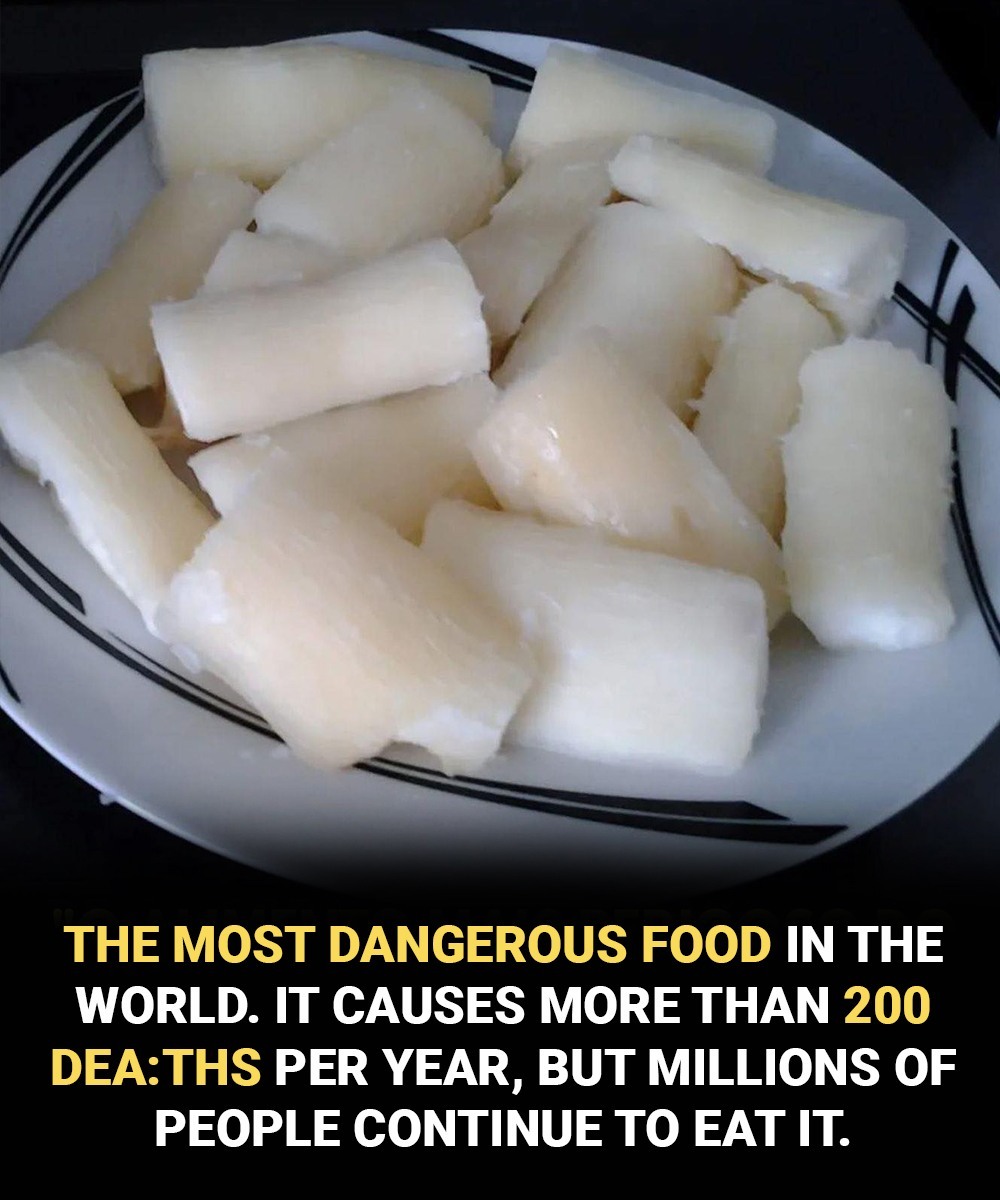
⭐ 6. Tapioca Pearls: Surprising Link to Cassava
Popular in bubble tea, tapioca pearls come from the cassava plant. Poor-quality or improperly processed tapioca can still contain harmful residues.
Safe practice:
Use only reputable, food-grade tapioca products and cook thoroughly.
⭐ Why These Foods Are Still Safe — and Loved
The key message is simple:
These foods are safe when handled properly.
Millions of people consume them every day without any risk.
Nature often equips plants with natural defenses—bitterness, toxins, or tough fibers—to protect themselves. Traditional food cultures around the world developed preparation methods over centuries that neutralize these natural compounds.
Modern cooking continues to rely on these practices, and they remain effective.
⭐ How to Stay Safe with Naturally Toxic Foods
- Always use proper cooking methods.
- Buy from trustworthy suppliers.
- Don’t eat foods that smell, look, or taste “off.”
- Follow traditional or scientifically supported preparation steps.
- Avoid consuming raw versions of foods known to require cooking.
⭐ Final Thoughts
The foods on this list aren’t “bad”—they’re simply complex. They remind us that human culinary traditions evolved through knowledge, observation, and respect for nature.
With proper preparation, each of these foods remains a delicious, nutritious part of diets worldwide.
But awareness matters—because understanding the hidden side of what we eat helps us enjoy it more safely and confidently.
