
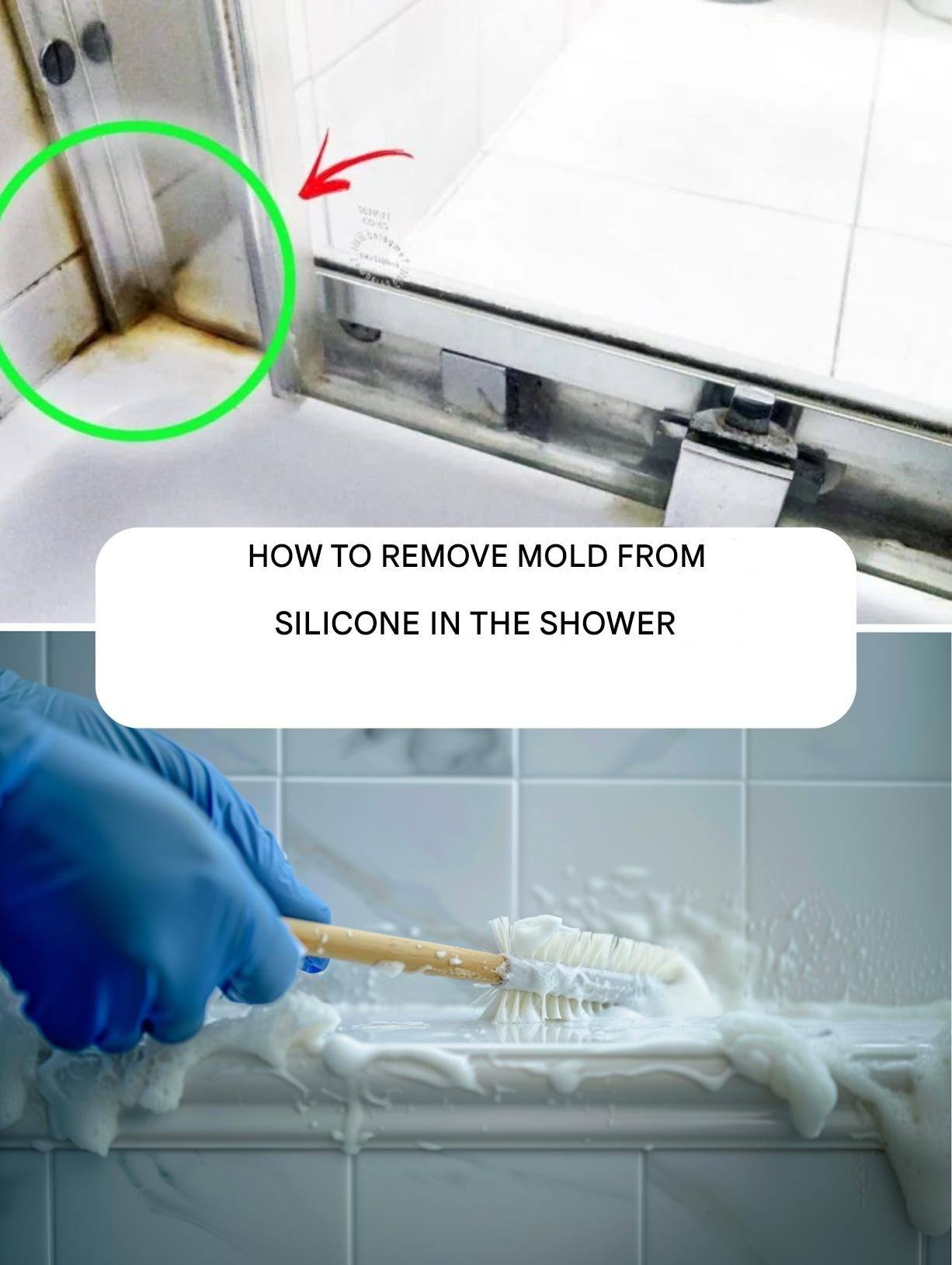
The Fastest Way to Get Rid of Shower Silicone Mildew
Shower silicone mildew is a common and frustrating problem in bathrooms. That black or dark discoloration along your shower sealant isn’t just unsightly—it can also be a breeding ground for mold spores, which may affect your health. The good news is that with the right approach, you can remove mildew quickly and prevent it from returning.
Here’s a comprehensive guide to tackling shower silicone mildew effectively.
Why Shower Silicone Develops Mildew
Silicone sealant is water-resistant but not completely impervious to mold and mildew, especially in damp, poorly ventilated bathrooms. Mildew thrives where moisture lingers, such as:
- Around shower corners and joints
- Near bathtub edges
- On silicone seals that are older or cracked
High humidity, soap residue, and lack of airflow make the problem worse.
Fast and Effective Mildew Removal Methods
1. Use White Vinegar
White vinegar is a natural and safe mildew remover.
- Mix equal parts of white vinegar and water in a spray bottle.
- Spray generously on the affected silicone.
- Let it sit for 30–60 minutes.
- Scrub gently with a soft brush or old toothbrush.
- Rinse thoroughly with warm water.
2. Baking Soda Paste
Baking soda works as a mild abrasive and deodorizer.
- Mix baking soda with a small amount of water to form a thick paste.
- Apply the paste to the silicone and leave it for 15–20 minutes.
- Scrub with a toothbrush or sponge.
- Rinse with warm water.
3. Hydrogen Peroxide Solution
Hydrogen peroxide is excellent for killing mold spores.
- Pour 3% hydrogen peroxide directly onto the silicone.
- Allow it to sit for 10–15 minutes.
- Scrub the area lightly and rinse thoroughly.
- This method also helps whiten stubborn black stains.
4. Commercial Mold and Mildew Removers
For particularly stubborn mildew, commercial bathroom cleaners designed to remove mold from silicone can be used. Follow the instructions carefully and ensure proper ventilation.
Preventing Mildew from Returning
- Improve ventilation: Use an exhaust fan or open windows during and after showers.
- Dry surfaces: Wipe down silicone seals after each shower to remove excess moisture.
- Regular cleaning: Clean silicone every few weeks using vinegar or mild soap.
- Replace old silicone: If mildew keeps returning despite cleaning, it may be time to remove and replace the old sealant.
Tips for Fast Results
- Always wear gloves when handling cleaning agents.
- Avoid harsh scrubbing that could damage silicone.
- Test vinegar or hydrogen peroxide on a small area first to ensure it doesn’t discolor tiles.
- For thick, embedded mildew, a combination of vinegar and baking soda is often the fastest solution.
Final Thoughts
Shower silicone mildew is annoying but manageable. Using natural solutions like vinegar, baking soda, or hydrogen peroxide allows you to remove mildew quickly without harsh chemicals. Pair cleaning with good ventilation and regular maintenance, and you’ll keep your bathroom looking fresh, hygienic, and mildew-free.
