
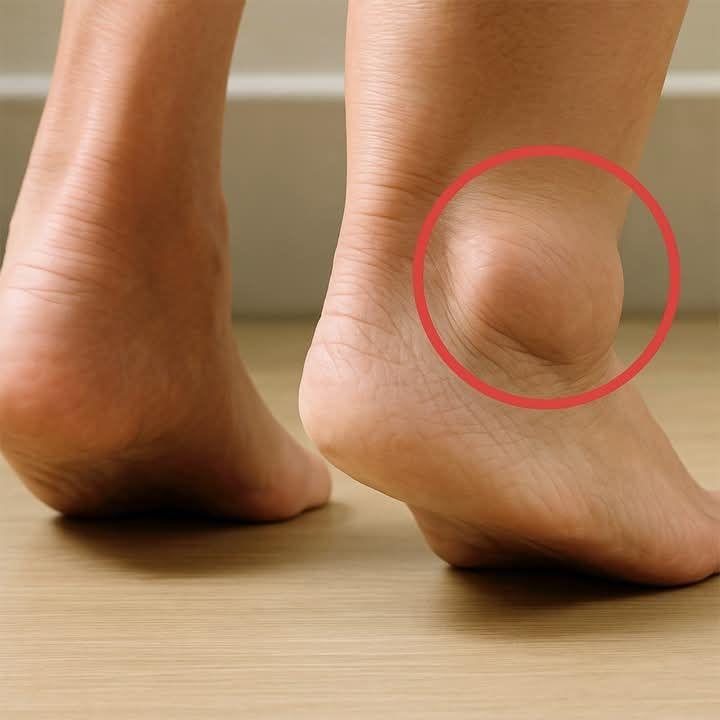
Swollen Legs and Feet: Causes, Symptoms & Natural Relief Methods
Swollen legs and feet—medically known as peripheral edema—are a common issue that can affect people of all ages. For some, the swelling is temporary and harmless; for others, it may signal an underlying health concern. Understanding the possible causes, recognizing warning signs, and knowing safe, natural relief methods can help you manage the condition effectively.
Common Causes of Swollen Legs and Feet
Swelling occurs when excess fluid builds up in the tissues. Some of the most common causes include:
- Prolonged sitting or standing: Long hours at a desk, on flights, or standing at work can slow circulation.
- Heat and humidity: Warm temperatures cause blood vessels to expand, allowing fluid to leak into surrounding tissues.
- Excess salt intake: High sodium levels encourage the body to retain water.
- Pregnancy: Hormonal changes and increased pressure on veins often lead to swelling in the lower extremities.
- Injury or inflammation: Sprains, strains, or infections can cause localized swelling.
- Poor circulation or vein issues: Conditions like varicose veins may prevent blood from flowing efficiently back to the heart.
In some cases, swelling may be linked to heart, kidney, or liver conditions, which require medical evaluation.
Symptoms to Watch For
Swollen legs and feet can present in different ways, including:
- Puffiness or tightness in the skin
- Shiny or stretched-looking skin
- Indentations that remain after pressing the skin (pitting edema)
- Reduced flexibility in ankles or feet
- A feeling of heaviness or discomfort
If swelling is sudden, painful, affects only one leg, or is accompanied by shortness of breath or chest pain, seek medical attention promptly.
Natural Relief Methods You Can Try
For mild or occasional swelling, these natural approaches may help reduce discomfort:
1. Elevate Your Legs
Raising your legs above heart level for 20–30 minutes encourages fluid to move back toward the heart.
2. Stay Active
Gentle movement like walking, stretching, or ankle rotations helps improve circulation and prevents fluid buildup.
3. Reduce Salt Intake
Limiting processed foods and choosing fresh ingredients can significantly reduce water retention.
4. Stay Hydrated
Drinking enough water helps your body flush excess sodium and reduces fluid retention.
5. Compression Socks or Stockings
These provide gentle pressure that supports blood flow and prevents swelling, especially during long periods of sitting or standing.
6. Cool Water Soaks
Soaking feet in cool (not icy) water can help reduce inflammation and ease discomfort.
7. Maintain a Healthy Weight
Excess weight increases pressure on veins, making swelling more likely.
When to See a Healthcare Professional
While occasional swelling is often harmless, consult a healthcare provider if:
- Swelling is persistent or worsening
- One leg is significantly more swollen than the other
- There is pain, redness, or warmth
- Swelling is accompanied by fatigue, breathing issues, or rapid weight gain
These may indicate an underlying condition that requires treatment.
Final Thoughts
Swollen legs and feet are often manageable with simple lifestyle changes and natural relief methods. Paying attention to your body, staying active, and maintaining healthy habits can go a long way in preventing discomfort. However, persistent or severe swelling should never be ignored—early evaluation can make a significant difference in long-term health and well-being.
