
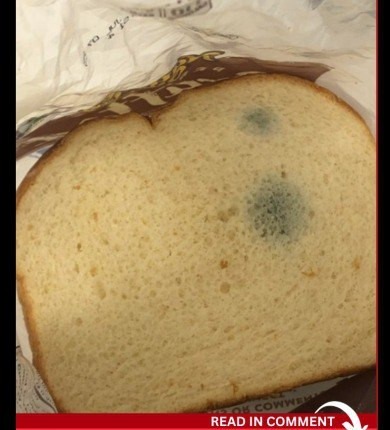
When to Toss Stale Bread
Bread should be discarded if:
- Mold appears: Any visible mold is a clear sign to toss it. Mold spores can penetrate deeper than the surface, even if unseen.
- It smells sour or off: This may indicate bacterial growth.
- It has been stored too long: Even if mold isn’t visible, bread left out for weeks may harbor harmful microorganisms.
Tip: Never try to salvage moldy bread by cutting off the moldy parts—the spores can spread invisibly throughout the loaf.
How to Extend Bread’s Shelf Life
- Store at room temperature in a bread box or airtight container for up to 3–4 days.
- Freeze excess bread in slices or whole loaves. Thaw as needed; freezing preserves freshness for weeks.
- Avoid refrigerating bread, which can accelerate staling due to moisture loss.
Creative Uses for Stale Bread
If your bread has gone dry but is mold-free, it’s a great ingredient for:
- Panzanella salad: Toss with tomatoes, cucumbers, and vinaigrette.
- Bruschetta or crostini: Toast and top with garlic, tomato, or cheese.
- Stuffing or dressing: Perfect for holiday meals.
- Soups: Use as a thickener in creamy soups like tomato or mushroom.
Final Thoughts
Stale bread isn’t automatically bad—it just loses moisture and texture. With a few creative ideas, you can turn stale slices into delicious dishes instead of wasting food.
However, if mold is present or it smells off, toss it immediately—your health is more important than salvaging a loaf.
Pro tip: Keep a freezer stash of bread. That way, you can enjoy it fresh whenever you need it, and even slightly stale slices have a second life in recipes.
Pages: 1 2
