
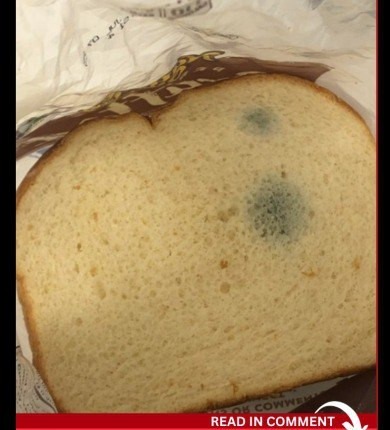
Stale Bread: When It’s Safe to Eat and When to Toss It
Bread is one of the most common staples in kitchens worldwide—but sometimes it goes stale before you can finish it. The question is: Is stale bread safe to eat, or should it go straight into the trash?
The answer depends on how stale it is, how it was stored, and whether any mold has developed. Understanding the difference can help you reduce food waste while keeping your family safe.
Why Bread Goes Stale
Bread goes stale because of a natural process called retrogradation. Over time:
- Starch molecules in the bread crystallize.
- Moisture moves from the interior to the surface.
- The bread becomes dry, hard, and less flavorful.
This is different from mold, which is a fungal growth and indicates spoilage.
When Stale Bread Is Safe to Eat
Stale bread that is dry but mold-free is usually safe to eat. You can use it in various ways:
1. Toast It
- Toasting restores some crunch and makes it perfect for sandwiches.
2. Make Croutons
- Cube the bread, toss with oil and seasoning, bake until crisp.
3. Bake into Bread Pudding or Strata
- Adds structure and absorbs custards and sauces beautifully.
4. Make Breadcrumbs
- Grind stale bread to use in meatballs, coatings, or casseroles.
5. French Toast
- Stale bread works even better than fresh bread because it absorbs eggs without falling apart.
Continued on the next page
Pages: 1 2
