
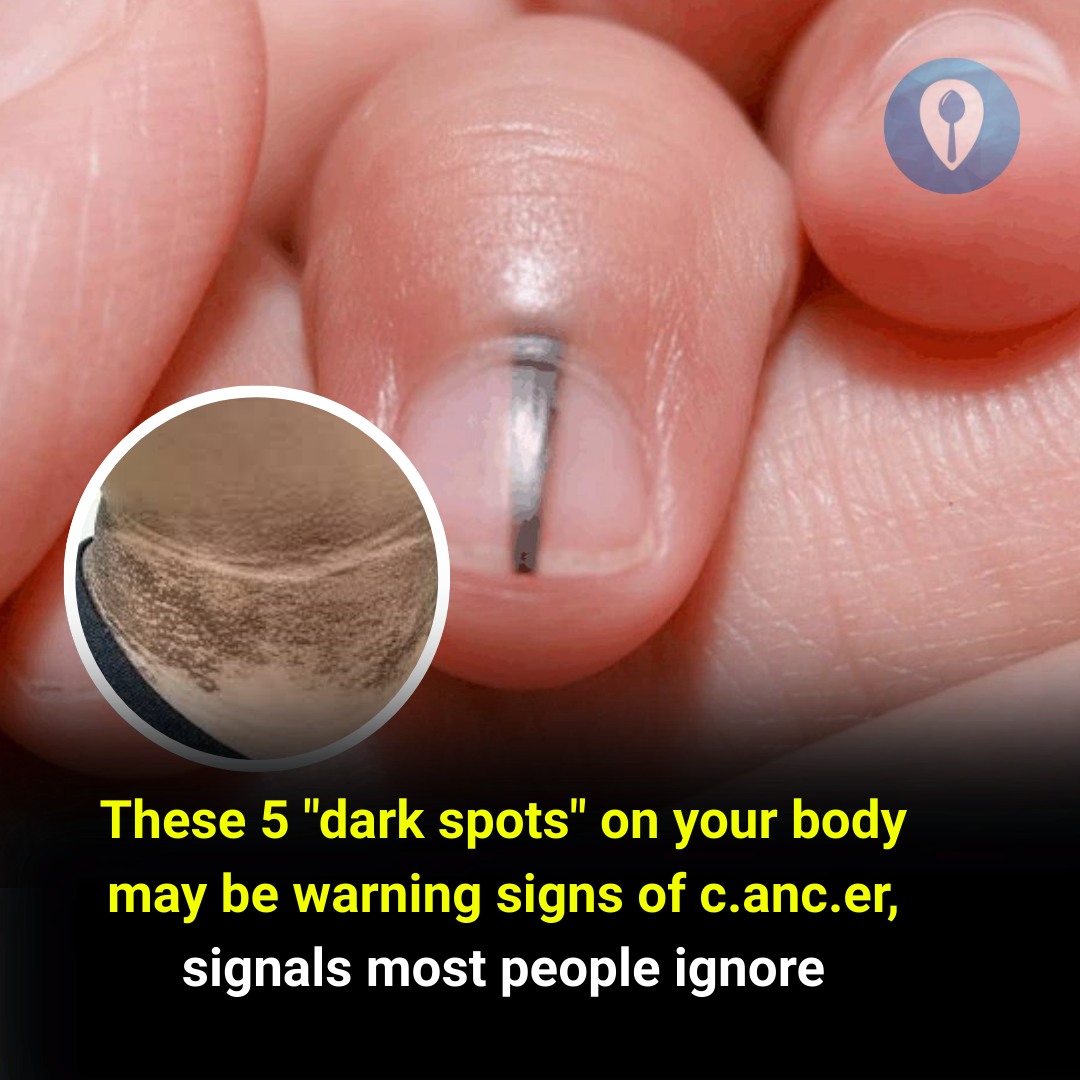
Noticing Dark Spots on Your Skin? These 5 Signs Could Be a Warning
Dark spots on the skin are very common and often harmless. They can appear because of sun exposure, acne scars, hormonal changes, or simple skin aging. However, in some cases, dark spots may be your body’s way of signaling that something needs attention.
Understanding when dark spots are normal and when they may be a warning sign can help you take better care of your skin and overall health. Below are five signs you shouldn’t ignore.
1. The Dark Spots Are Rapidly Changing in Size or Color
If a dark spot suddenly becomes larger, darker, or uneven in color, it’s important to pay attention. Normal pigmentation usually changes slowly, if at all. Rapid changes could indicate skin damage or abnormal cell activity.
What to do:
Track any noticeable changes and consult a dermatologist if the spot looks different from the rest of your skin.
2. They Appear Without Sun Exposure
Most dark spots are linked to sun exposure, especially on the face, hands, and arms. If spots appear in areas rarely exposed to sunlight—such as the neck folds, underarms, or inner thighs—it may be related to internal factors like hormone imbalances or insulin resistance.
What to do:
A healthcare professional can help determine whether lifestyle or medical factors are involved.
3. The Spots Feel Itchy, Painful, or Bleed
Dark spots that itch, hurt, crust, or bleed are not typical. Healthy pigmentation changes should not cause discomfort. These symptoms may suggest irritation, infection, or a more serious skin condition.
What to do:
Avoid scratching and seek medical advice as soon as possible.
4. They Are Accompanied by Other Symptoms
If dark spots appear along with fatigue, unexplained weight changes, irregular periods, or increased thirst, they may be linked to underlying health issues rather than skin alone.
What to do:
A full health check can help identify whether the skin changes are connected to internal conditions.
5. They Don’t Fade Over Time
Some dark spots fade naturally within weeks or months, especially those caused by acne or minor irritation. If spots persist or worsen despite proper skincare, it could be a sign that deeper layers of the skin are affected.
What to do:
A dermatologist can recommend appropriate treatments or further evaluation.
When to Seek Help
Not all dark spots are dangerous, but it’s always better to be cautious. Early attention can prevent potential complications and help you maintain healthy skin.
Simple preventive tips include:
- Using sunscreen daily
- Avoiding excessive sun exposure
- Maintaining a balanced diet
- Keeping your skin clean and moisturized
