
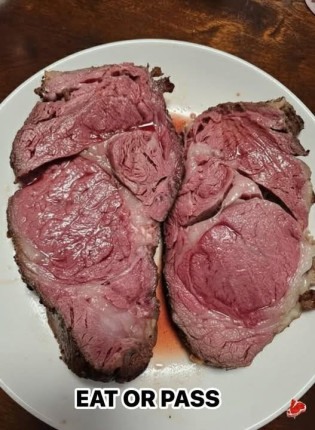
Master the Art of Cooking Perfect Prime Rib Every Time!
Few dishes command the same respect and admiration as a perfectly cooked prime rib. With its tender, juicy meat and flavorful crust, prime rib is the centerpiece of celebratory dinners, holiday feasts, and special occasions. While it may seem intimidating to prepare, mastering this classic cut is easier than you think. Here’s your guide to cooking perfect prime rib every time.
Choosing the Right Cut
The first step to a flawless prime rib starts at the butcher’s counter. Look for a rib roast with good marbling, which ensures juicy, flavorful meat. A bone-in roast not only adds flavor but also helps the meat cook more evenly. Depending on your gathering, choose a size that allows for generous portions—typically 1 pound per person.
Preparing Your Prime Rib
Preparation is key. Start by allowing your prime rib to come to room temperature for at least an hour before cooking. This ensures even cooking throughout. Next, season generously. A simple blend of kosher salt, freshly cracked black pepper, garlic powder, and herbs like rosemary and thyme enhances the natural flavor of the beef without overpowering it.
For an extra flavor boost, consider rubbing the roast with a touch of olive oil or Dijon mustard before applying the seasoning. This helps the herbs adhere and forms a beautiful crust during roasting.
Cooking Techniques for Success
There are multiple ways to cook prime rib, but a tried-and-true method is the combination of high-heat searing followed by slow roasting:
- Sear the Roast: Preheat your oven to 450°F (230°C). Place the roast in a roasting pan and sear for 15-20 minutes to develop a flavorful crust.
- Slow Roast: Reduce the oven temperature to 325°F (165°C) and continue roasting until the internal temperature reaches your desired doneness:
- Rare: 120-125°F (49-52°C)
- Medium-Rare: 130-135°F (54-57°C)
- Medium: 140-145°F (60-63°C)
Using a meat thermometer is essential for precise results.
Resting: The Secret to Juicy Prime Rib
After roasting, allow your prime rib to rest for at least 20 minutes before slicing. Resting lets the juices redistribute, ensuring every bite is tender and succulent. Tent the roast loosely with foil to keep it warm while it rests.
Serving Suggestions
Prime rib pairs beautifully with classic sides like roasted vegetables, mashed potatoes, Yorkshire pudding, or a rich horseradish sauce. Slice the meat against the grain to maximize tenderness and serve generously.
Final Tips
- Avoid slicing immediately after roasting; patience is key.
- Always use a meat thermometer to prevent overcooking.
- Experiment with herb blends and garlic rubs to make the recipe your own.
With these tips, you can confidently prepare a prime rib that’s tender, flavorful, and perfectly cooked every time. Whether it’s a holiday celebration or a weekend feast, mastering prime rib will make you the star of any dinner table.
