
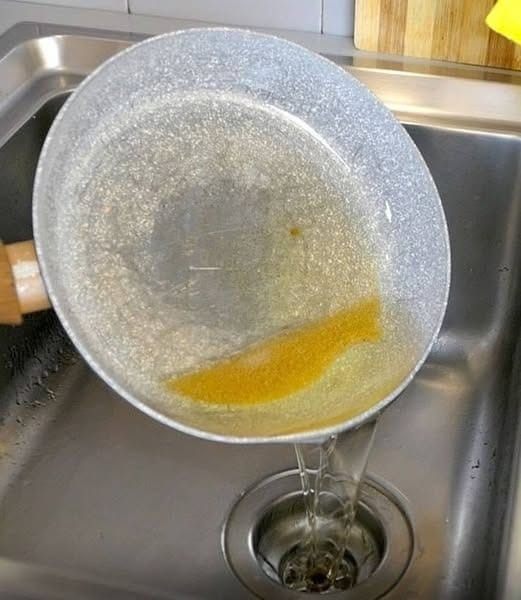
How to Properly Dispose of Used Oil: The Easiest and Most Environmentally Friendly Way
Used cooking oil might seem harmless, but pouring it down the drain or throwing it in the trash can create serious environmental problems. From clogging pipes to polluting waterways, improper disposal of oil has consequences that extend far beyond your kitchen. Fortunately, there are easy and eco-friendly ways to handle used oil safely.
Why Proper Disposal Matters
- Protects the environment: One liter of oil can contaminate up to 1 million liters of water.
- Prevents plumbing issues: Oil solidifies in pipes, leading to costly blockages.
- Supports recycling: Used cooking oil can be converted into biodiesel, animal feed, or other useful products.
Steps to Dispose of Used Oil Safely
1. Let the Oil Cool
After cooking, allow the oil to cool completely. Hot oil can cause burns or damage containers if handled too soon.
2. Strain the Oil (Optional)
If you plan to reuse the oil, strain it through a fine mesh or cheesecloth to remove food particles. Properly stored in a sealed container, oil can often be reused several times.
3. Choose a Disposal Method
a) Recycling Centers: Many local recycling centers and some grocery stores accept used cooking oil. Check your area’s guidelines for drop-off locations.
b) Household Collection Programs: Some municipalities run programs that collect used cooking oil for recycling.
c) Solidifying and Trash (Last Resort): If recycling isn’t available, mix small amounts of oil with absorbent materials like sawdust, cat litter, or paper towels, then place it in a sealed container before putting it in the trash.
Continued on the next page
