
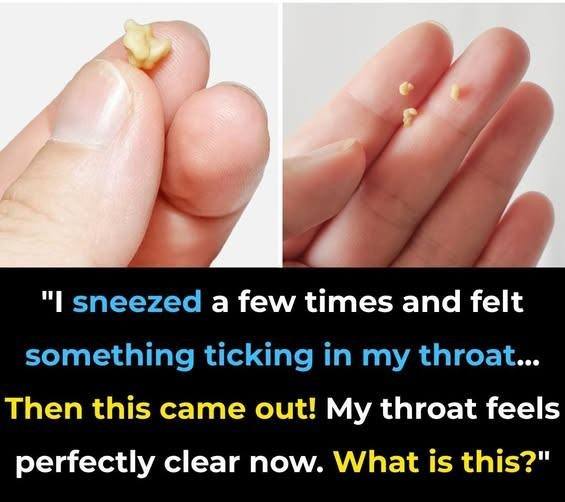
What Causes Tonsil Stones?
A few factors can increase your likelihood of developing them:
- Chronic inflammation of the tonsils
- Large tonsils with deep crypts
- Post-nasal drip
- Dry mouth
- Poor oral hygiene
People who frequently get tonsillitis may also experience tonsil stones more often.
Are Tonsil Stones Dangerous?
Good news: tonsil stones are usually harmless.
They can be irritating, unpleasant, or embarrassing (because of the bad breath), but they don’t usually cause serious health problems.
However, recurring large tonsil stones can sometimes indicate chronic tonsil issues.
Safe Ways to Manage Tonsil Stones at Home
You can often manage small tonsil stones yourself using gentle methods:
✔ 1. Gargling with Warm Salt Water
This helps loosen stones, reduce bacteria, and soothe irritation.
✔ 2. Gentle Coughing
Sometimes a firm cough can dislodge a stone naturally.
✔ 3. Oral Irrigators (Low Pressure Only)
A gentle water stream aimed at the tonsils can release stuck stones.
(High pressure is NOT recommended—this can injure the tonsils.)
✔ 4. Good Oral Hygiene
Brushing the tongue, flossing, and using mouthwash can reduce buildup and odor.
✔ 5. Staying Hydrated
Dry mouth encourages tonsil stone formation.
Avoid using metal objects, cotton swabs, or anything forceful—this can injure the tonsils or cause bleeding.
When to See a Doctor
Seek medical advice if you experience:
- Pain that doesn’t go away
- Large or frequent tonsil stones
- Difficulty swallowing
- Repeated infections
- Lots of bleeding or swelling
A doctor may suggest professional removal or, in chronic cases, discuss whether tonsil removal (tonsillectomy) is appropriate.
Can Tonsil Stones Be Prevented?
You can lower your chances of getting them by:
- Practicing consistent oral hygiene
- Drinking plenty of water
- Treating allergies or post-nasal drip
- Avoiding smoking
- Gargling regularly if you’re prone to buildup
Even with good habits, some people are just more prone due to the natural structure of their tonsils.
Final Thoughts
Tonsil stones are common, harmless, and more of a nuisance than a threat. Understanding what they are—and how to manage or prevent them—can make dealing with them much easier.
If they become painful or frequent, a healthcare professional can help you explore long-term solutions.
