
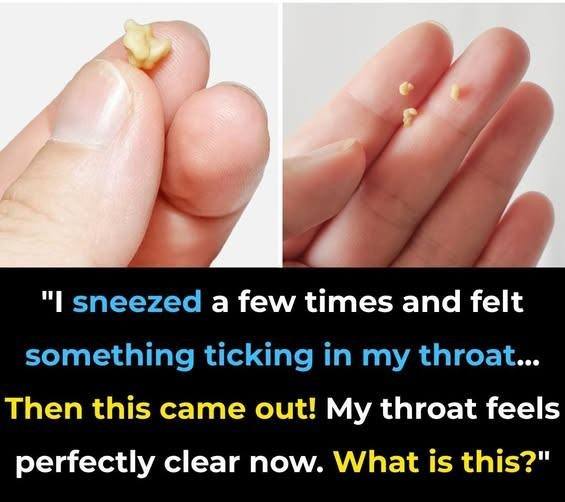
Here’s What You Need to Know About Tonsil Stones
If you’ve ever noticed a small, white, foul-smelling lump in the back of your throat, you may have encountered a tonsil stone—a surprisingly common (and harmless, though unpleasant) condition. Many people have them without realizing what they are, while others deal with recurring discomfort, bad breath, or a scratchy throat and never make the connection.
Here’s everything you need to know about what tonsil stones are, what causes them, and what you can safely do about them.
What Exactly Are Tonsil Stones?
Tonsil stones—also called tonsilloliths—are small, hardened formations that develop in the crevices of the tonsils. These crevices, known as tonsil crypts, can trap:
- Dead cells
- Saliva
- Mucus
- Food particles
- Bacteria
Over time, this material can compact and harden, forming a tiny stone.
They can be as small as a grain of rice or occasionally larger.
Common Symptoms
Not everyone notices their tonsil stones, but some common signs include:
- Bad breath (halitosis): One of the most frequent symptoms
- Feeling something stuck in the throat
- A metallic or unpleasant taste
- Sore throat or irritation
- Difficulty swallowing (mild)
- Visible small white or yellowish lumps in the tonsils
- Ear pain (referred pain, not an ear problem)
Many people only discover them accidentally—often when coughing one up.
Continued on the next page
