
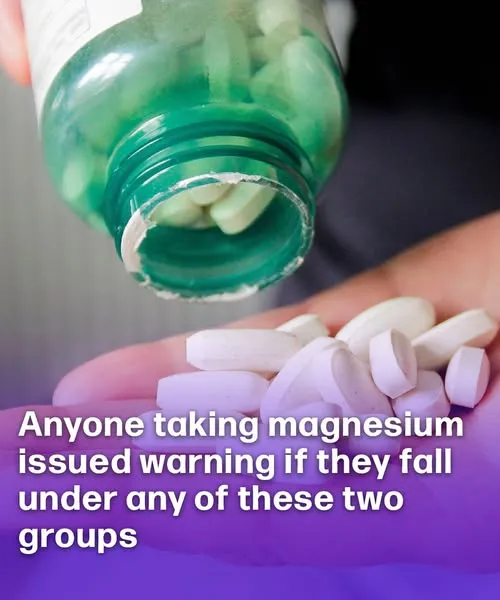
Health Experts Issue New Warning About Magnesium Supplements — Especially for These Two High-Risk Groups
Magnesium supplements have long been promoted for their potential health benefits, including supporting heart health, improving sleep, and aiding muscle function. However, health experts are now raising concerns about the potential risks associated with magnesium supplementation, particularly for certain high-risk groups.
Why the Concern?
Magnesium is an essential mineral that helps regulate muscle and nerve function, blood sugar levels, and blood pressure. While it is generally safe when obtained from a balanced diet, taking high-dose magnesium supplements can sometimes lead to complications. Excess magnesium in the body can cause symptoms such as diarrhea, nausea, abdominal cramping, and in severe cases, irregular heartbeat or low blood pressure.
High-Risk Groups
Experts have identified two groups who should be especially cautious:
- People with Kidney Problems
The kidneys play a crucial role in regulating magnesium levels in the body. Individuals with chronic kidney disease or impaired kidney function are at higher risk of magnesium buildup, which can lead to dangerous toxicity. For these patients, even standard doses of magnesium supplements may be unsafe without medical supervision. - Older Adults
As people age, kidney function often declines, and the risk of magnesium overdose increases. Additionally, older adults are more likely to take multiple medications that can interact with magnesium supplements, such as diuretics or heart medications, potentially causing harmful side effects.
Safe Ways to Get Magnesium
Health experts emphasize that most people can meet their magnesium needs through a balanced diet. Foods rich in magnesium include:
- Leafy green vegetables like spinach and kale
- Nuts and seeds, especially almonds and pumpkin seeds
- Whole grains such as brown rice and oats
- Legumes including beans and lentils
- Certain fish like mackerel and salmon
If supplements are necessary, it’s crucial to consult a healthcare provider to determine the appropriate dosage and avoid potential interactions with other medications.
Key Takeaway
While magnesium is vital for overall health, supplementation is not risk-free. People with kidney issues and older adults should exercise caution and consult a doctor before taking magnesium supplements. For most individuals, focusing on a magnesium-rich diet remains the safest and most effective approach.
