
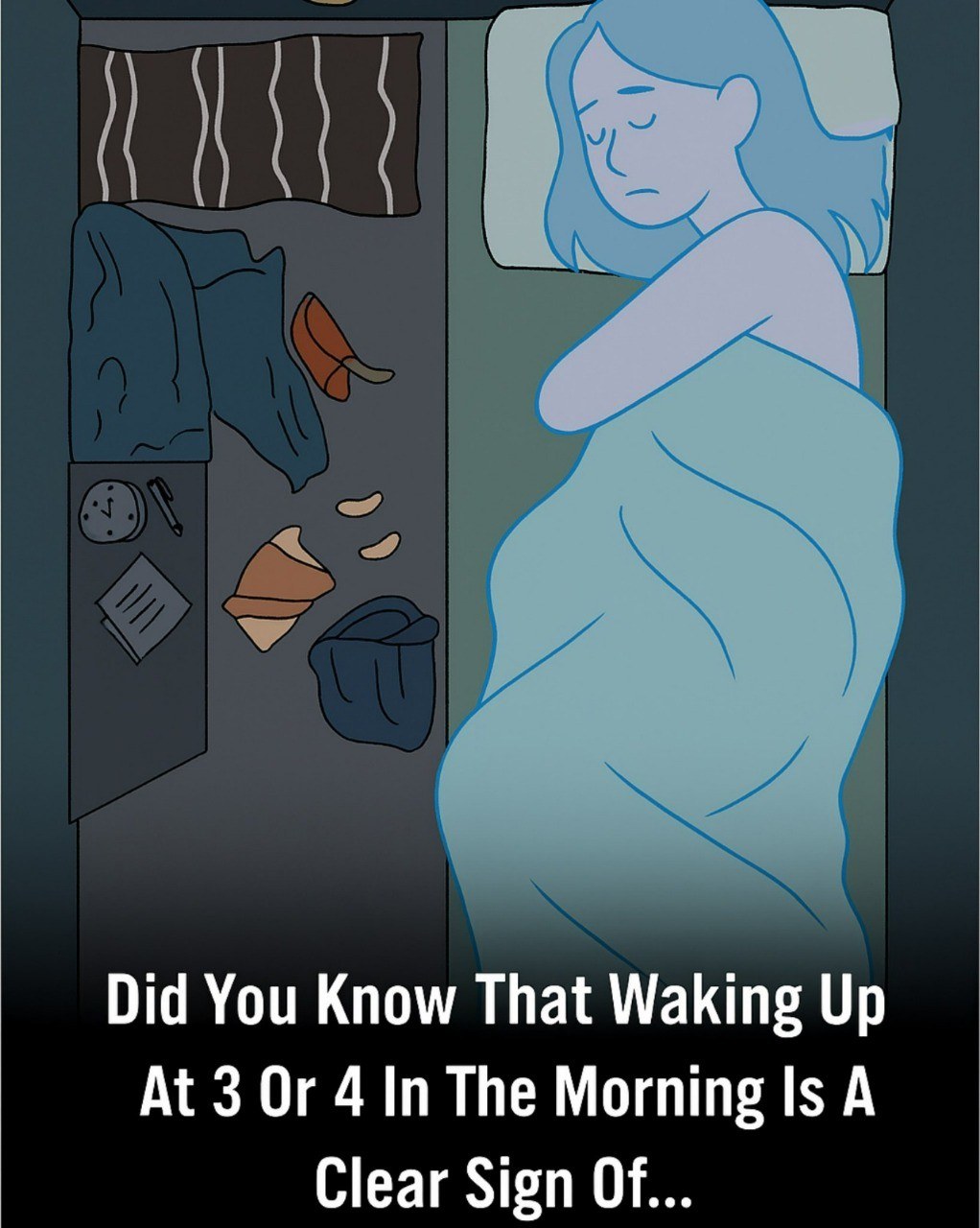
Did You Know That Waking Up at 3 or 4 in the Morning Is a Clear Sign Of… Something Your Body or Mind Is Trying to Tell You?
Waking up in the early hours of the morning—especially around 3 or 4 a.m.—is a surprisingly common experience. Many people assume it’s random or blame it on noise, but frequent early-morning awakenings often have identifiable causes. While it’s rarely a “clear sign” of one single issue, it can be your body or mind signaling that something is out of balance.
Here’s what waking up at that hour may be pointing to.
1. Stress and an Overactive Mind
One of the most common reasons people wake up between 3 and 4 a.m. is stress.
At this stage of sleep, the body is lighter and more sensitive. If your mind is processing worries—work pressure, finances, relationships, or unresolved thoughts—it may pull you out of sleep.
Signs this may be the cause:
- Your mind starts racing as soon as you wake up
- You feel alert rather than sleepy
- Falling back asleep is difficult
2. Cortisol (Stress Hormone) Fluctuations
Your body naturally begins to increase cortisol levels in the early morning to prepare you for waking. If cortisol rises too early—often due to chronic stress, anxiety, or poor sleep habits—it can wake you up prematurely.
This doesn’t mean something is “wrong,” but it may suggest your stress response system is working overtime.
3. Blood Sugar Changes
For some people, blood sugar dips during the night can trigger early waking. This is more likely if:
- You eat very late at night
- Your evening meal is high in sugar or refined carbs
- You go to bed hungry
When blood sugar drops, the body releases hormones that can jolt you awake.
4. Sleep Environment and Habits
Sometimes the cause is simpler than expected:
- Room temperature changes
- Light exposure from streetlights or screens
- Alcohol consumed in the evening (which disrupts deep sleep)
Alcohol, in particular, is known to cause people to fall asleep easily but wake up in the early morning hours.
5. Emotional Processing
Early-morning awakenings are often linked to emotional load. During quiet hours, unresolved emotions—grief, worry, anticipation—can surface more easily.
If you notice this pattern during emotionally intense periods of your life, it’s likely your mind using the stillness of early morning to process what it couldn’t during the day.
6. Aging and Sleep Cycles
As people get older, sleep naturally becomes lighter, and waking up earlier is more common. This is a normal shift in circadian rhythm and doesn’t necessarily signal a health problem.
What You Can Do About It
If waking up at 3 or 4 a.m. happens often, try:
- Reducing screen time before bed
- Avoiding alcohol and heavy meals late at night
- Practicing relaxation techniques before sleep
- Keeping a consistent bedtime and wake time
- Writing down worries before bed to “clear” your mind
If the awakenings are persistent, exhausting, or accompanied by other symptoms, discussing them with a healthcare professional is always a good idea.
The Bottom Line
Waking up at 3 or 4 in the morning isn’t a mysterious omen—but it is a signal worth paying attention to. Most often, it reflects stress, sleep habits, or emotional overload rather than a serious medical issue. By understanding what your body is responding to, you can take simple steps to restore more restful, uninterrupted sleep.
Sometimes, your early awakening isn’t a problem—it’s a message asking you to slow down and listen.
