
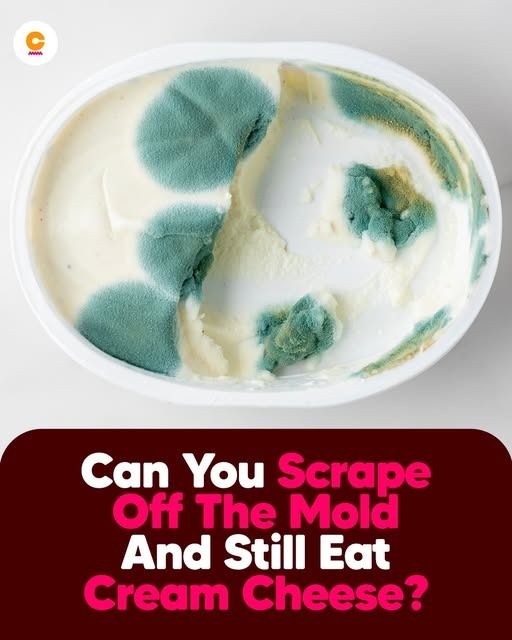
Can You Eat Moldy Cheese? When You Should Clean It and When You Should Throw It Away
Opening the fridge to find mold on cheese is a common—and confusing—moment. Some cheeses are supposed to have mold, while others become dangerous once mold appears. So how do you know when it’s safe to cut it off and when the whole block belongs in the trash? Here’s a clear, practical guide to help you decide.
Why Mold on Cheese Is Tricky
Mold grows differently depending on a cheese’s moisture level and texture. In some cheeses, mold stays on the surface. In others, it spreads invisibly throughout, carrying harmful bacteria with it.
Not all mold is dangerous—but guessing wrong can make you sick.
Cheeses You Can Usually Save
These are hard or semi-hard cheeses where mold doesn’t easily spread.
Safe to Cut and Eat (If Done Properly):
- Cheddar
- Parmesan
- Swiss
- Gouda
- Pecorino
What to do:
- Cut off at least 1 inch (2.5 cm) around and below the mold.
- Use a clean knife—don’t let it touch the mold.
- Rewrap in fresh paper or plastic.
If the cheese smells normal and has no slimy texture, it’s generally safe to eat.
Cheeses You Should Throw Away Immediately
These cheeses are high-moisture or soft, which allows mold and bacteria to spread quickly.
Do NOT try to save:
- Cream cheese
- Ricotta
- Cottage cheese
- Brie
- Camembert
- Feta
- Goat cheese
- Shredded or sliced cheese
If you see mold on these, discard the entire package—even if it’s just a small spot.
Cheeses That Are Supposed to Have Mold
Some cheeses rely on specific, safe molds for flavor and texture.
Perfectly Normal Mold Cheeses:
- Blue cheese
- Roquefort
- Gorgonzola
- Stilton
However, new colors or fuzzy growth on these cheeses can signal spoilage—when in doubt, toss them.
When Mold Means “Throw It Out” No Matter What
Discard any cheese if:
- It smells strongly sour, rotten, or ammonia-like
- It feels slimy or wet
- Mold is black, pink, or orange
- The package is swollen
These signs suggest unsafe bacterial growth.
How to Prevent Cheese from Molding Too Fast
- Store cheese in cheese paper or wax paper, not airtight plastic
- Keep it in the warmest part of the fridge (usually the vegetable drawer)
- Avoid touching cheese with bare hands
- Don’t return cheese to its original wrapper after cutting mold off
The Takeaway
Yes—some moldy cheese can be safely eaten, but only if it’s the right type and handled correctly. Hard cheeses can often be saved, while soft and fresh cheeses should always be thrown away once mold appears.
When it comes to mold, being cautious is smarter than being frugal. If you’re ever unsure, trust your instincts and toss it—your health is worth more than a block of cheese. 🧀
