
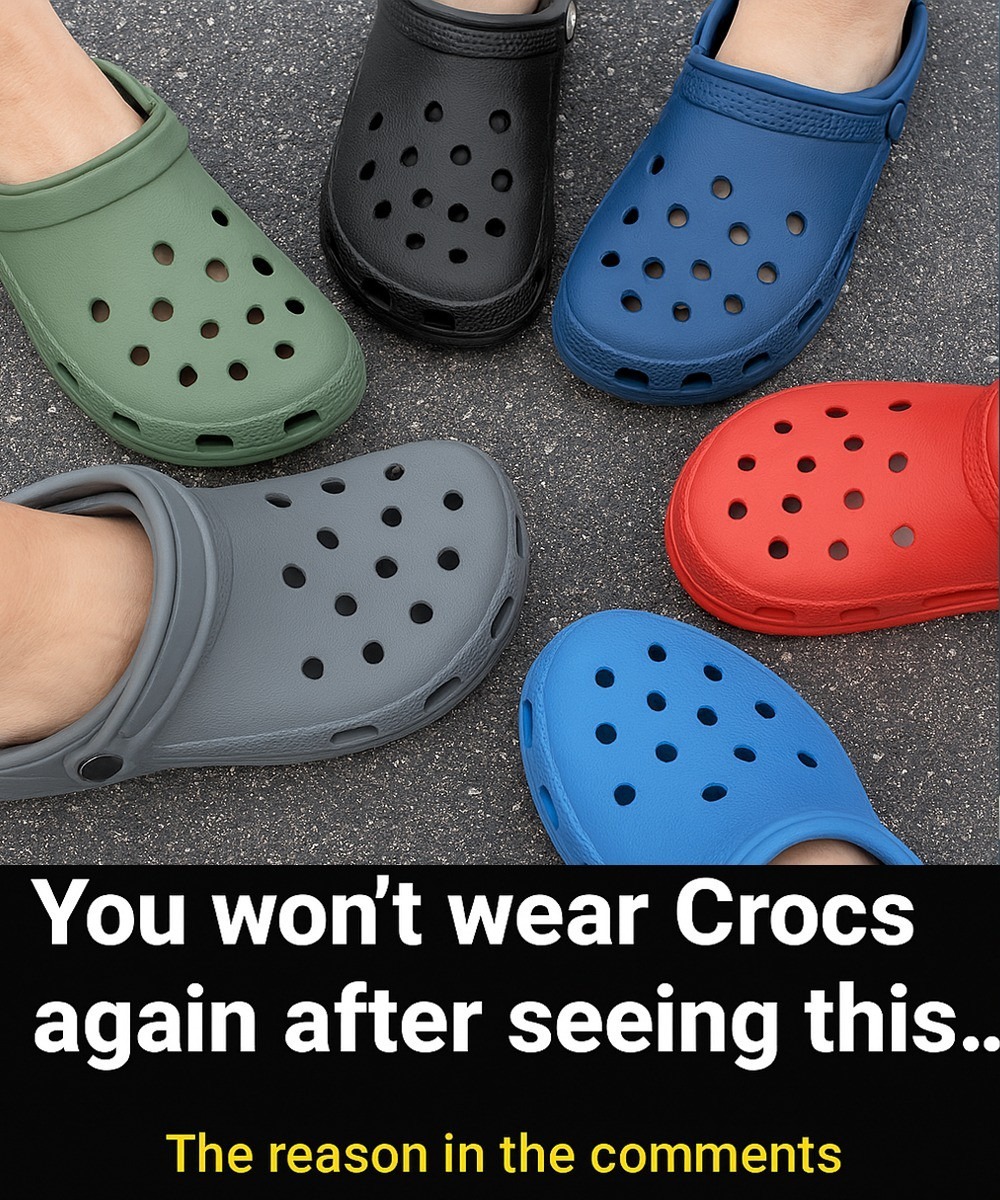
Where Crocs Fall Short
While comfortable, Crocs lack some of the structural elements that many podiatrists consider important for prolonged use.
1. Limited Arch Support
Crocs offer cushioning, but not the firm arch support needed for:
- Flat feet
- Plantar fasciitis
- High arches
- Long hours of standing or walking
Over time, inadequate support may contribute to fatigue or discomfort.
2. Poor Heel Stability
Because Crocs are open and loose-fitting, your heel often slides around. This means your toes must grip harder to keep the shoe in place — which can lead to:
- Toe fatigue
- Soreness
- Worsening of certain toe conditions
3. Not Ideal for Long Walks
For short errands? Fine.
For all-day walking? Not the best choice.
The structure just isn’t designed for long-distance support or impact control.
Are Crocs Bad for Your Feet?
Not necessarily — it depends on how you use them.
Crocs are generally fine for:
- Short walks
- Around the house
- Gardening and outdoor chores
- Beach days
- Slipper-like comfort
But they may not be ideal for:
- All-day wear
- Long shifts on your feet
- Intense walking
- People with specific foot conditions needing strong support
In other words: Crocs are comfortable, but they’re not a replacement for supportive, everyday footwear.
When Crocs Might Be Helpful
There are situations where Crocs can actually be a smart choice.
Post-surgery or swelling
Their softness and wide fit can accommodate bandages or tenderness.
(Always follow your doctor’s instructions in these cases.)
Foot sensitivity
People who can’t tolerate pressure or stiff materials sometimes find Crocs soothing.
Tips for Wearing Crocs Safely
If you love your Crocs — and many people do — here are ways to use them more smartly:
- Wear them for short durations, not as your all-day shoe.
- Choose versions with straps or better heel support.
- Alternate with structured footwear during the day.
- If you need arch support, look for Crocs models with enhanced insoles or use inserts (if they fit).
Moderation is key.
The Bottom Line
Crocs aren’t “bad” for your feet — but they’re not perfect for all-day use either. Think of them like flip-flops or slippers: comfortable, convenient, and great in the right context, but not supportive enough to be your main footwear.
If you wear them occasionally, for short distances, or simply because they make your feet happy, you’re unlikely to run into problems. Just be mindful of balance and support if you’re on your feet for long periods.
