
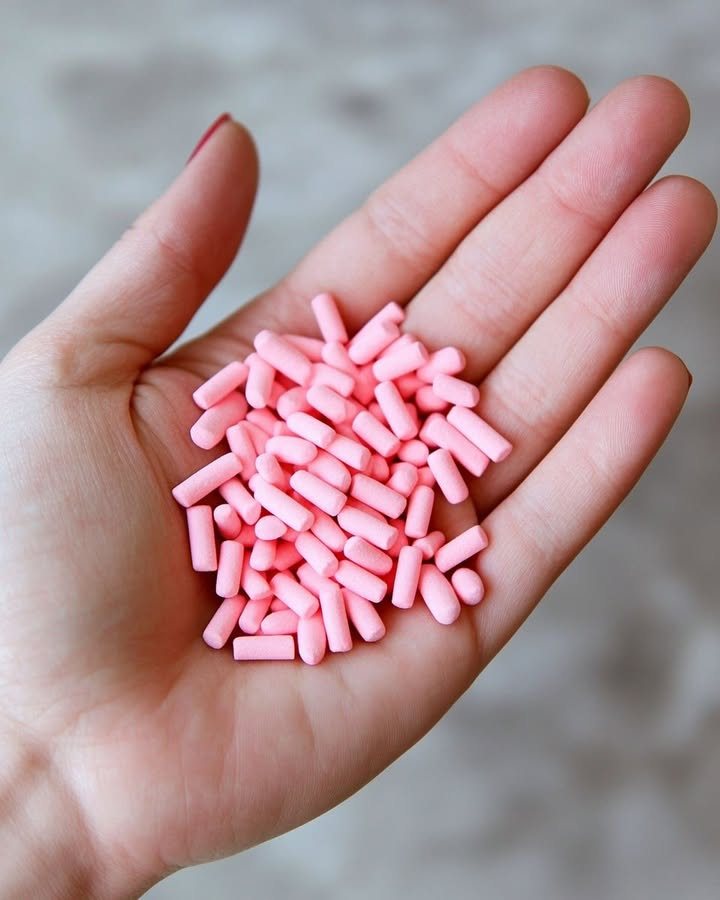
Found Strange Pink, Chalk-Like Pellets in Your Yard? Here’s What You Need to Know
Finding unusual substances in your yard can be alarming, especially when you have pets and a baby. Recently, some readers have reported discovering small, pink, chalk-like pellets—no smell, very light—and wondered what they could be and whether they pose a danger. Let’s break it down calmly and responsibly.
Common Causes of Chalk-Like Pellets
Most of the time, these kinds of pellets have ordinary explanations. Some possibilities include:
1. Fertilizer
Many garden fertilizers are small, colorful pellets. They are designed to slowly release nutrients into the soil.
- Pink or red coloring is sometimes added for visibility.
- Chalk-like texture can occur if the pellets are weathered.
- Fertilizers can be harmful if ingested, so supervision is important for pets and children.
2. Pest Control Pellets
Some homeowners or neighbors use pest-control products in yards, such as rodent or insect baits.
- These may appear as small, colored pellets.
- Even if they have no noticeable smell, they can be toxic if eaten.
- Keep children and pets away until you confirm what it is.
3. Garden Additives or Soil Amendments
Pellets like these can also be lime, gypsum, or other soil conditioners, which are used to adjust pH or improve soil quality.
- These are generally safe to touch, but it’s still smart to wash hands afterward.
- Pets may still need to be prevented from chewing them.
4. Accidental Spillage
Sometimes, a bag of fertilizer, chalk, or pet-safe mineral pellets from a neighbor, delivery, or previous yard work can spill and break into small pieces.
Safety Precautions You Should Take
Because you have a baby and pets, it’s best to act cautiously:
- Keep children and pets away from the area until identification.
- Do not touch or taste the pellets. Gloves are recommended.
- Collect a small sample in a sealed container for identification.
- Check your yard history—did you or neighbors recently apply fertilizer, pest control, or soil amendments?
- Contact local authorities or a garden center for help identifying the substance.
If the pellets turn out to be a chemical or pesticide, professional advice is the safest route.
When to Be Concerned
Seek immediate guidance if you notice:
- Pets or children ingesting unknown pellets
- Signs of illness in pets (vomiting, drooling, lethargy)
- Unusual odor, moisture, or powdery residue indicating strong chemicals
Early action can prevent accidents and exposure.
Bottom Line
Most of the time, pink, chalk-like pellets in a yard are harmless gardening products, but because of your family situation, it’s better to confirm before allowing contact. Safety comes first—especially with curious pets and babies.
By taking small precautions—like isolating the area, collecting a sample, and asking an expert—you can quickly determine whether the pellets are harmless or require more care.
