
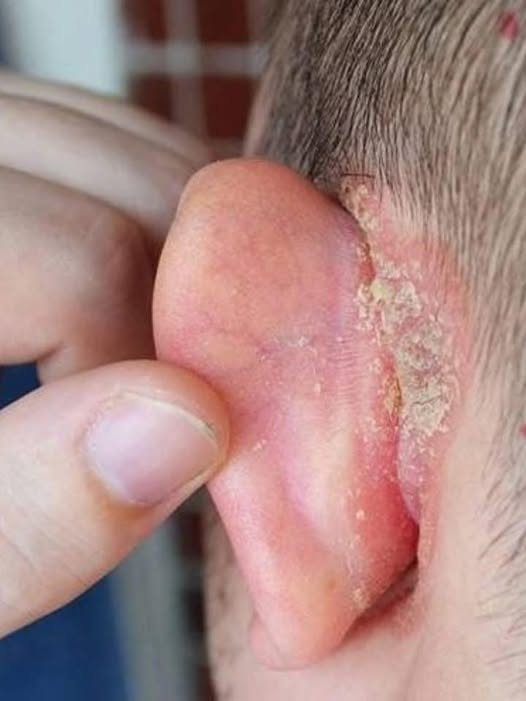
I Found a Strange Patch of Skin on My Son’s Ear — What Should I Do While Waiting for the Doctor?
Discovering an unusual patch of skin on your child can be alarming, especially when a doctor’s appointment is still days away. While most skin changes in children are harmless, it’s important to observe carefully and take appropriate steps to ensure your child’s safety and comfort.
Step 1: Stay Calm and Observe
Not all skin patches are dangerous. Take note of the following:
- Appearance: Color, texture, and size of the patch
- Location: Is it only on the ear, or is it spreading?
- Symptoms: Itching, pain, redness, swelling, or discharge
- Duration: How long has it been present?
Taking a photo can help you track changes over time and provide your doctor with helpful information.
Step 2: Keep the Area Clean and Dry
Gently wash the affected area with mild soap and water once or twice a day. Avoid scrubbing or using harsh chemicals, as this can irritate the skin. Pat it dry instead of rubbing.
Step 3: Avoid Irritants
- Avoid using scented lotions, oils, or harsh soaps on the patch
- Keep your child from scratching or picking at it
- Make sure hats, headphones, or other accessories aren’t rubbing against it
Step 4: Monitor for Warning Signs
While most patches are minor, you should seek medical attention sooner if any of the following occur:
- Rapid spreading or worsening
- Pain, bleeding, pus, or crusting
- Fever or other signs of infection
- Blistering or severe discomfort
If any of these signs appear, contact your pediatrician immediately or go to an urgent care clinic rather than waiting for your scheduled appointment.
Step 5: Manage Mild Symptoms at Home
If the patch is itchy or slightly irritated, you can:
- Apply a thin layer of a mild, fragrance-free moisturizer
- Use an over-the-counter anti-itch cream (like 1% hydrocortisone) only if recommended for children and in the correct dose
- Encourage your child not to scratch, perhaps using distractions or soft gloves if necessary
Step 6: Prepare for the Doctor Visit
When you see the pediatrician, bring:
- Photos showing the patch over time
- Notes about when it first appeared and any changes
- Information about any new products, detergents, or foods your child has used recently
This information can help your doctor make an accurate diagnosis quickly.
Common Causes
Several things can cause unusual skin patches on a child’s ear, including:
- Eczema: Red, dry, itchy patches
- Fungal infections: Often slightly raised, scaly, or ring-shaped
- Allergic reactions: May appear suddenly after exposure to a new product
- Birthmarks or harmless pigment changes
Most of these conditions are manageable with guidance from a pediatrician.
Final Thought
Finding a strange patch of skin on your child can be stressful, but most cases are not emergencies. Keep the area clean, monitor for changes, avoid irritants, and be ready to provide your doctor with detailed observations.
Remember: If the patch worsens, becomes painful, or shows signs of infection, don’t wait — seek medical care immediately.
