
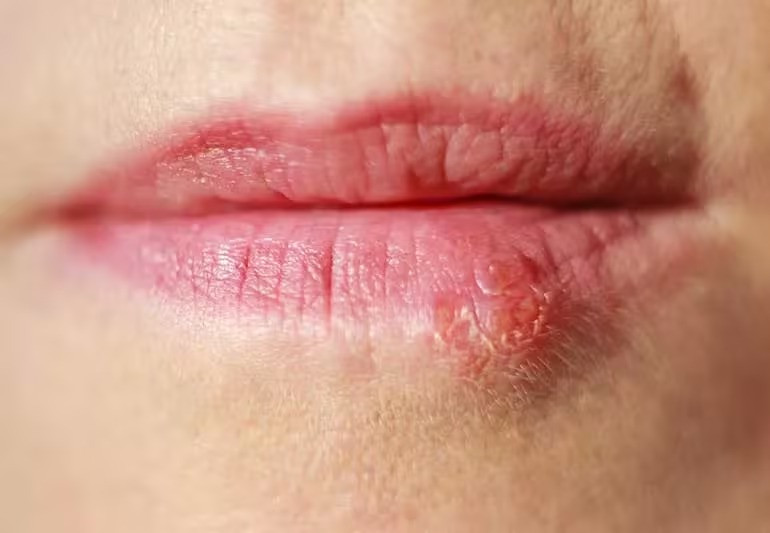
Crusty Sore on My Lip That Won’t Go Away — What Could It Be?
Finding a crusty sore on your lip that doesn’t heal can be worrying, especially when getting a medical appointment isn’t possible right now. While only a healthcare professional can make a diagnosis, understanding the common possibilities can help you decide what to do next and how urgently to seek care.
Common Causes of a Persistent Crusty Lip Sore
1. Cold Sores (Herpes Simplex Virus Type 1)
Cold sores are one of the most common causes. They often:
- Start as tingling, itching, or burning
- Develop into small blisters
- Break open and form a crust or scab
- Heal over 1–3 weeks, but may last longer
They can come back during stress, illness, or fatigue.
2. Angular Cheilitis
This condition affects the corners of the mouth and may cause:
- Cracking and crusting
- Redness and soreness
- Slow healing
It’s often linked to moisture buildup, irritation, or mild infections.
3. Irritated or Infected Cut
A small cut from dry lips, lip biting, or irritation can become crusty if it gets infected. If healing is delayed, bacteria may be involved.
4. Allergic or Contact Reaction
Lip products, toothpaste, food, or environmental exposure can cause irritation that leads to scabbing or crusting, especially if the area is repeatedly touched or licked.
5. Sun Damage (Actinic Cheilitis)
Long-term sun exposure can cause rough, scaly patches on the lips that don’t heal easily. This is more common on the lower lip and should be checked by a professional when possible.
What You Can Do Right Now
While waiting to see a professional, you can take these general care steps:
- Keep the area clean and dry
- Avoid picking or peeling the crust
- Use plain petroleum jelly or a gentle lip balm
- Avoid spicy, acidic, or irritating foods
- Stop using new lip products until it improves
Do not apply strong creams, antibiotics, or home remedies unless advised by a professional.
Signs You Should Seek Medical Care Urgently
Try to get medical help as soon as possible if:
- The sore lasts longer than 2–3 weeks
- It keeps growing or changing shape
- There is increasing pain, swelling, or redness
- You see pus, bleeding, or fever
- The sore feels hard or doesn’t heal at all
Even if appointments are hard to get, urgent care clinics or telehealth services may be options.
Final Thoughts
A crusty sore on the lip that won’t go away is often caused by common and treatable conditions, but persistence is a sign that it shouldn’t be ignored. Gentle care and avoiding irritation can help in the short term, but a proper medical evaluation is important if it doesn’t improve.
