
Our Ears Reveal Our True State of Health
The ears do far more than help us hear. According to medical experts, subtle changes in the ears—inside and out—can sometimes offer clues about what’s happening elsewhere in the body. While ears alone can’t diagnose disease, they can act as early indicators that something may need attention.
Here’s what your ears may be quietly telling you about your health.
1. Ear Shape and Heart Health
Some studies have noted a possible link between a diagonal crease in the earlobe (sometimes called Frank’s sign) and an increased risk of cardiovascular disease.
What it may suggest:
- Reduced blood circulation
- Possible cardiovascular risk factors
⚠️ Important: This sign alone does not mean heart disease, but it may warrant discussing heart health with a doctor—especially if other risk factors are present.
2. Ringing in the Ears (Tinnitus)
Persistent ringing, buzzing, or humming sounds can signal more than hearing issues.
Possible links include:
- High blood pressure
- Stress or anxiety
- Inner ear disorders
- Medication side effects
If tinnitus is sudden or worsening, it should be medically evaluated.
3. Ear Color and Circulation
- Red ears: May be related to inflammation, temperature changes, or stress
- Pale ears: Can sometimes indicate poor circulation or anemia
- Bluish tones: May suggest low oxygen levels in rare cases
Color changes that persist should not be ignored.
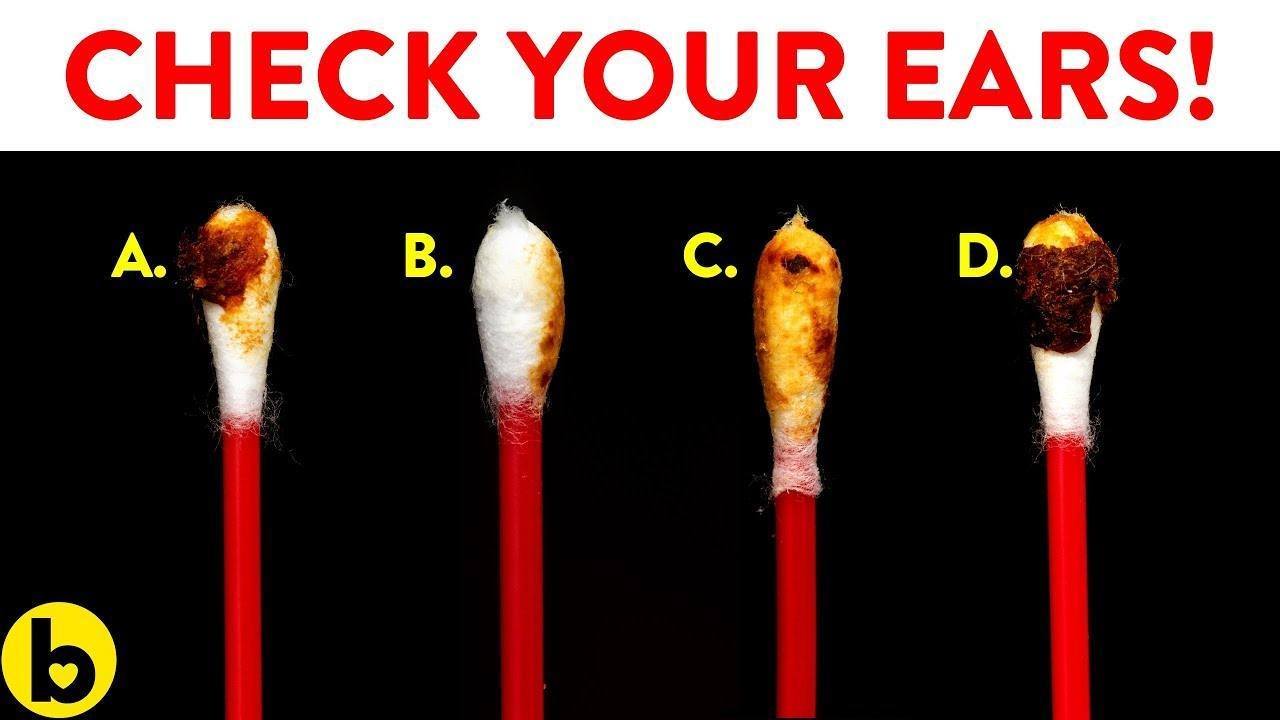
4. Excessive Earwax Buildup
Earwax is normal and protective, but excessive buildup can sometimes point to underlying issues.
Possible causes:
- Skin conditions like eczema or psoriasis
- Narrow ear canals
- Chronic inflammation
Sudden changes in wax production or texture may be worth mentioning to a healthcare provider.
5. Ear Pain Without Infection
Not all ear pain originates in the ear itself.
It may be linked to:
- Jaw (TMJ) problems
- Dental issues
- Sinus infections
- Neck tension
This is known as “referred pain,” and it highlights how interconnected the body truly is.
6. Hearing Changes and Overall Health
Gradual hearing loss can sometimes be associated with:
- Diabetes
- High blood pressure
- Aging-related nerve changes
Hearing health is closely tied to blood flow and nerve function throughout the body.
7. Balance Problems and the Inner Ear
The inner ear plays a key role in balance.
Dizziness or vertigo may suggest:
- Inner ear disturbances
- Dehydration
- Neurological conditions
Frequent balance issues should always be evaluated.
What This Means (and What It Doesn’t)
Ears can offer hints, not diagnoses. They may signal:
- Circulatory issues
- Neurological changes
- Inflammation or stress
But symptoms should always be interpreted in context, alongside other signs and professional medical advice.
When to See a Doctor
Seek medical attention if you notice:
- Sudden hearing loss
- Persistent ear pain
- Ongoing ringing or dizziness
- Unexplained color or shape changes
Early evaluation often leads to better outcomes.
Final Thoughts
Your ears are more than sensory organs—they’re connected to your nerves, blood vessels, and balance systems. Paying attention to changes in your ears can help you catch potential health concerns early.
