
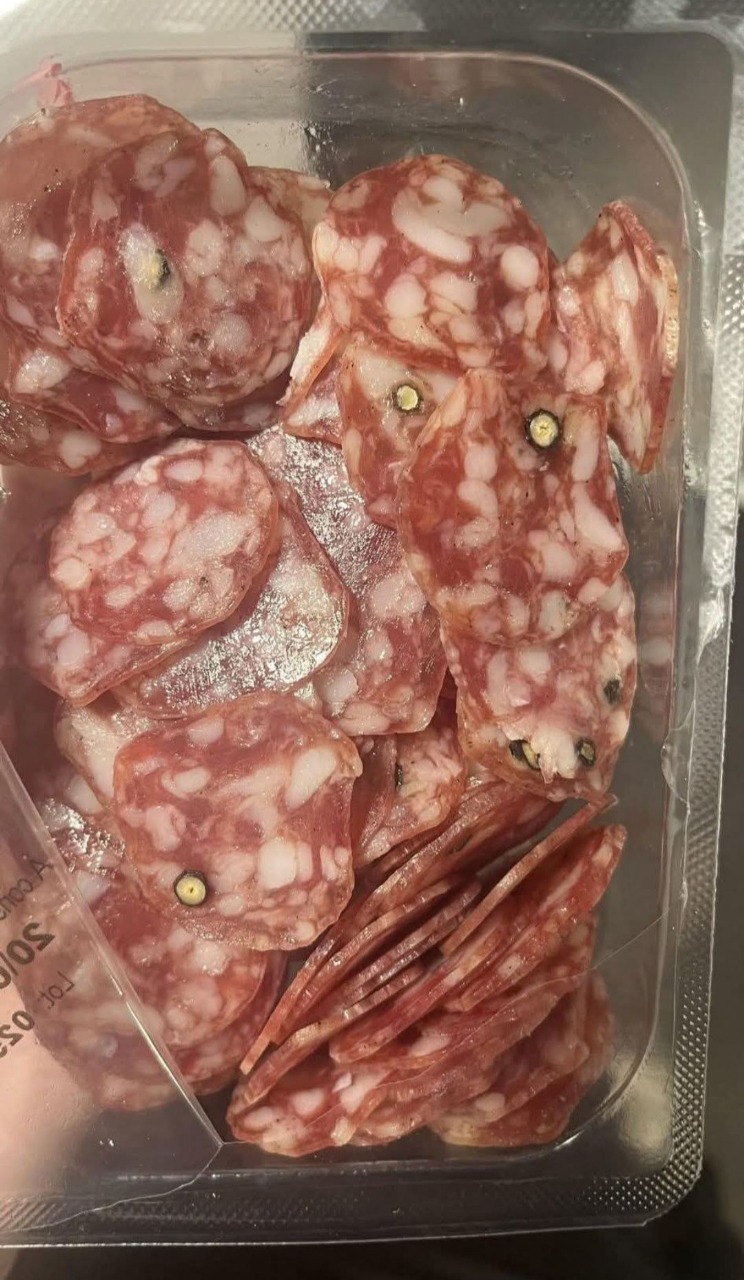
What’s This on My Salami? I Know It’s Not Mold (I Think)… I Was in Paris and Couldn’t Bring Myself to Eat It!
If you’ve ever bought traditional salami—especially in Europe—you may have noticed a white, dusty, or powdery coating on the outside. It looks suspicious, and your instincts might scream mold! You’re not alone. Many travelers encounter this in places like Paris and hesitate before taking a bite.
Here’s the reassuring truth: it’s usually completely normal—and even desirable.
The White Coating Is (Usually) Beneficial Mold
On traditional dry-cured salami, that white coating is most often Penicillium nalgiovense, a good mold intentionally encouraged during the curing process.
Why it’s there:
- Protects the meat from harmful bacteria
- Helps regulate moisture loss
- Contributes to flavor development
- Indicates traditional, artisanal curing
In short, it’s a sign of quality, not spoilage.
How to Tell the Difference: Safe vs. Unsafe
✅ Safe, Normal Salami Mold
- White or off-white
- Powdery or chalky
- Evenly distributed
- Dry, not slimy
- Smells mild or slightly nutty
This is common on French, Italian, and Spanish cured meats.
⚠️ When You Should Be Concerned
Avoid eating salami if you see:
- Green, blue, black, or fuzzy patches
- Wet or slimy surface
- Strong sour, rotten, or ammonia smell
- Mold inside the meat when sliced
These signs can indicate spoilage or contamination.
Should You Eat It or Remove It?
Traditionally:
- The casing (with mold) is peeled off before eating
- Or wiped with a clean, damp cloth
You’re not expected to eat the moldy casing itself—just the cured meat inside.
Why It’s So Common in Paris (and Europe)
European cured meats are often:
- Less processed
- Preservative-light
- Naturally fermented
Unlike many supermarket meats elsewhere, they’re made the old-fashioned way—which includes beneficial mold.
So what looks alarming to tourists is often a badge of authenticity to locals.
Why Your Instincts Aren’t Wrong
Humans are wired to avoid mold—it’s a survival instinct. But in controlled food traditions (like cheese and cured meats), some molds are not just safe—they’re essential.
If you’re unfamiliar with it, hesitation is totally normal.
Final Verdict
That white coating on your Parisian salami?
👉 Almost certainly harmless and intentional
👉 A sign of traditional curing
👉 Safe once the casing is removed
Next time, you can enjoy it with confidence—or at least with a little less fear.
When in doubt, trust your senses—but also remember: sometimes the “weird” stuff is exactly what makes food special. 🥖🥩🇫🇷
