
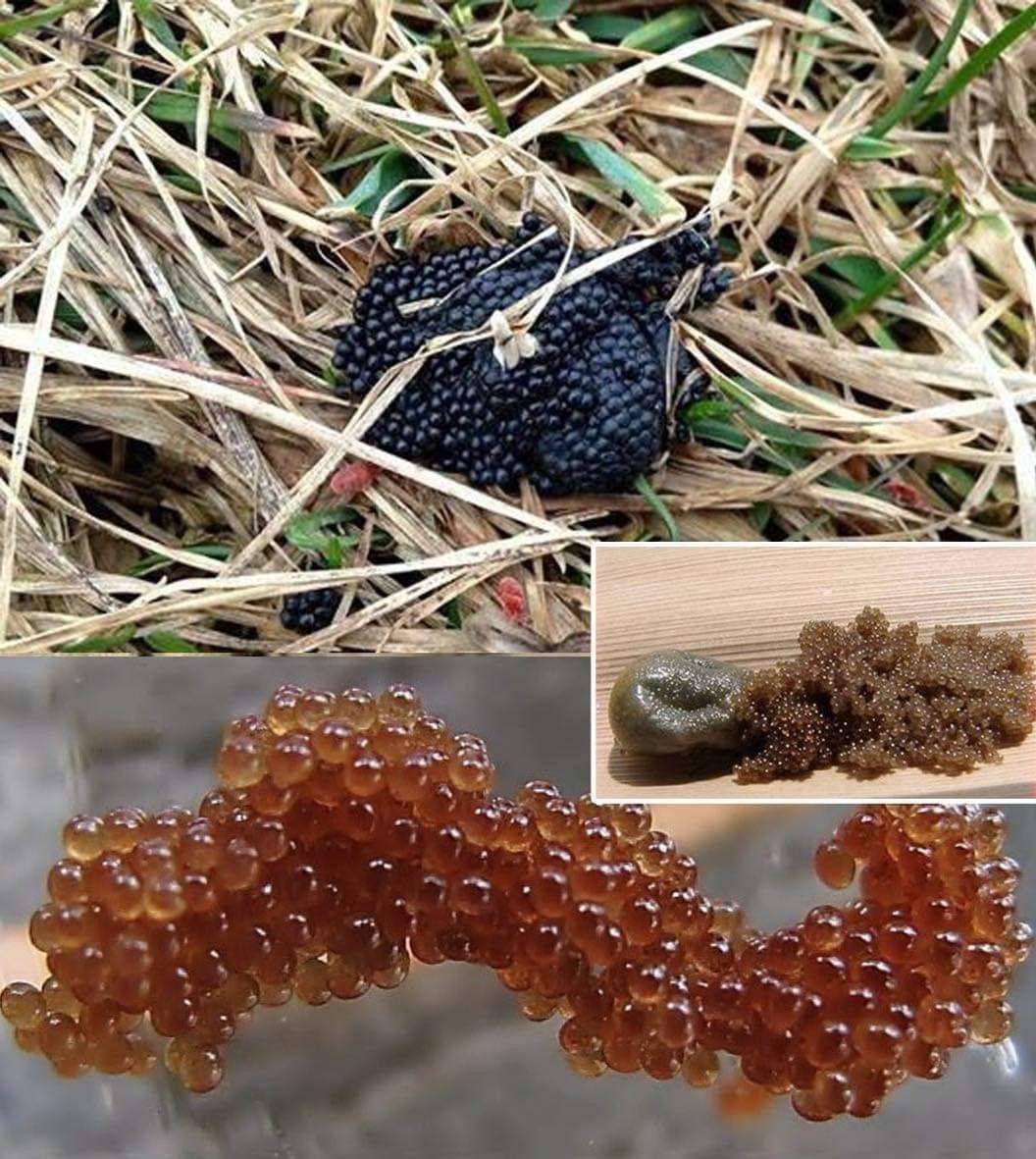
If You See These Eggs in Your Backyard, Don’t Burn Them: A Safe Guide to Identifying and Managing Tick Eggs
Headlines sometimes warn people to “burn tick eggs immediately,” but that advice can be dangerous and misleading. Open flames pose fire risks, and many egg clusters people panic over aren’t ticks at all. The good news? Tick eggs can be identified and managed safely—without fire.
Here’s a clear, practical guide to recognizing tick eggs, understanding the real risks, and removing them the right way.
What Tick Eggs Actually Look Like
Tick eggs are tiny—about the size of poppy seeds—and usually laid in clusters of hundreds to thousands.
Common traits:
- Color: translucent amber, brown, or reddish
- Shape: round to oval
- Location: hidden in damp, shaded areas—leaf litter, tall grass, mulch, woodpiles, or along fence lines
- Texture: sticky; the cluster often looks glossy
⚠️ Important: Many things get mistaken for tick eggs—snail eggs, spider eggs, frog eggs, seeds, or fertilizer pellets are far more common in yards.
Why Burning Is a Bad Idea
- Fire hazard: Dry leaves, mulch, and grass ignite easily.
- Ineffective: Heat doesn’t reliably destroy eggs embedded in soil or debris.
- Unnecessary: There are safer, proven methods that work better.
How to Safely Remove Suspected Tick Eggs
1. Protect Yourself
- Wear gloves
- Long sleeves and pants
- Closed shoes
2. Remove the Cluster
- Use a paper towel or disposable scoop
- Avoid crushing eggs with bare hands
3. Kill the Eggs Safely
Choose one of these methods:
- Seal in a plastic bag with rubbing alcohol
- Submerge in soapy water (dish soap + water)
- Freeze in a sealed container for 24 hours
4. Dispose Properly
- Bag securely and place in outdoor trash
Reduce Tick Egg Laying in Your Yard
Prevention is key—ticks lay eggs where conditions suit them.
Make your yard less tick-friendly:
- Keep grass short
- Remove leaf litter and brush piles
- Create gravel or wood-chip barriers between lawn and wooded areas
- Stack firewood neatly and away from the house
- Keep play areas and patios in sunny, dry spots
Discourage wildlife carriers:
- Secure trash cans
- Use fencing where appropriate
- Avoid feeding deer or rodents
When to Call a Professional
Contact pest control or your local extension service if:
- You find repeated clusters
- You have pets or children frequently outdoors
- You’re unsure whether the eggs are ticks
Professionals can confirm identification and recommend targeted, eco-conscious treatments.
The Bottom Line
If you see egg clusters in your backyard, don’t panic—and don’t burn them. True tick eggs are rare to spot, often misidentified, and best handled with safe removal and yard management, not fire. With the right steps, you can protect your family, pets, and property—calmly and effectively.
