
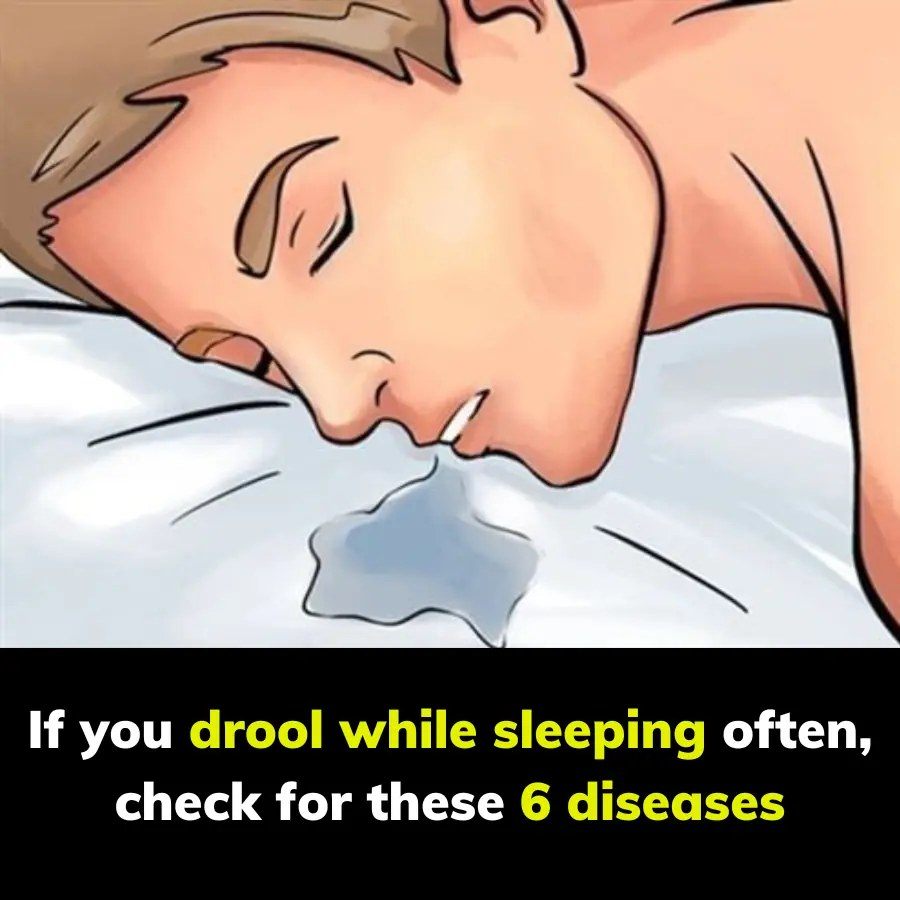
If You Drool While Sleeping Often, Check for These 6 Diseases
Drooling during sleep is usually harmless and often dismissed as a minor nuisance. But if it happens frequently or excessively, it can sometimes signal an underlying health issue. Doctors say that consistent nighttime drooling, also known as sialorrhea, may be linked to several medical conditions. Here are six to be aware of.
1. Sleep Apnea
Sleep apnea is a disorder where breathing repeatedly stops and starts during sleep. Mouth breathing is common in people with sleep apnea, which can lead to:
- Increased saliva accumulation
- Drooling at night
Other symptoms include loud snoring, morning headaches, and daytime fatigue.
2. Gastroesophageal Reflux Disease (GERD)
GERD causes stomach acid to flow back into the esophagus, which can trigger:
- Increased saliva production as a protective response
- Nighttime drooling or discomfort while lying down
Other signs may include heartburn, regurgitation, and a sour taste in the mouth.
3. Neurological Disorders
Certain neurological conditions affect muscle control and swallowing, leading to drooling:
- Parkinson’s disease
- Amyotrophic lateral sclerosis (ALS)
- Stroke-related facial muscle weakness
If drooling is accompanied by tremors, stiffness, or difficulty speaking, a neurological evaluation may be necessary.
4. Allergies or Sinus Problems
Nasal congestion can force you to breathe through your mouth at night, causing drooling. Common triggers include:
- Seasonal allergies
- Chronic sinus infections
Treatment of congestion often reduces nighttime drooling.
5. Medication Side Effects
Some medications can increase saliva production or cause muscle relaxation that leads to drooling, including:
- Certain antipsychotics
- Anti-seizure medications
- Muscle relaxants
If drooling starts after a new prescription, consult your doctor about alternatives or adjustments.
6. Oral Health Issues
Problems in the mouth or jaw can contribute to drooling:
- Misaligned teeth or dental appliances
- Mouth infections or abscesses
- Poor swallowing coordination
Regular dental check-ups can help identify and resolve these issues.
When to See a Doctor
Most occasional drooling is harmless, but medical attention is recommended if it is:
- Frequent or worsening
- Accompanied by other symptoms like difficulty swallowing, fatigue, or snoring
- Impacting sleep quality or daily life
Tips to Reduce Nighttime Drooling
- Sleep on your side instead of your back
- Keep nasal passages clear using saline sprays or humidifiers
- Avoid alcohol and sedatives before bed, which relax throat muscles
- Practice good oral hygiene to prevent infections
The Bottom Line
While drooling at night is often harmless, frequent episodes can be a sign of underlying health issues, ranging from sleep disorders to neurological conditions. Paying attention to associated symptoms and consulting a healthcare professional can help identify and address the cause.
Your saliva might just be trying to tell you something important.
