
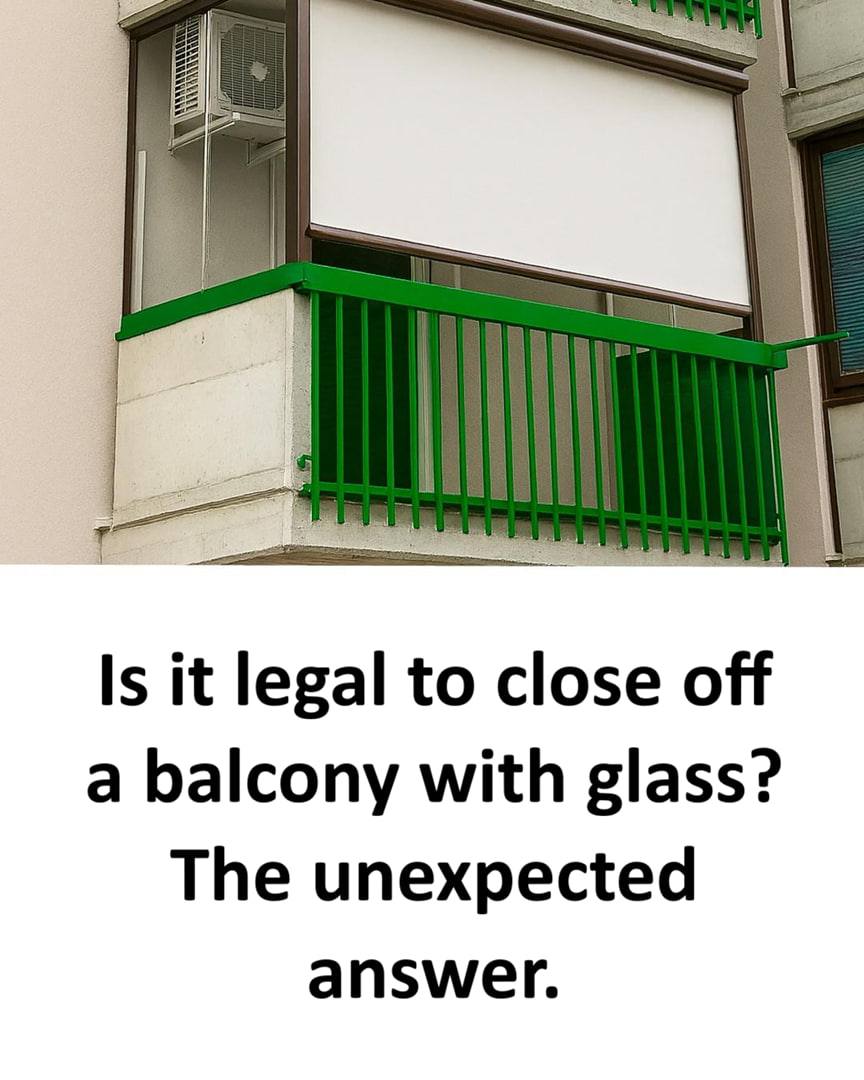
Enclosing a Balcony with Glass: When It’s Possible and What the Law Says
Enclosing a balcony with glass is a popular way to create extra living space, reduce noise, and enjoy a comfortable outdoor area year-round. However, it’s not just a matter of choosing the right glass panels—legal and structural considerations are crucial. Before starting this home improvement project, here’s what you need to know.
Why People Enclose Balconies
- Weather protection: Glass enclosures shield against rain, wind, and dust.
- Noise reduction: Ideal for apartments in busy areas.
- Extra space: Creates a sunroom-like area for relaxation, storage, or even small gardening projects.
- Energy efficiency: Helps maintain indoor temperature, potentially lowering heating and cooling costs.
When Enclosing a Balcony Is Possible
Before adding glass, check:
- Building rules: Some condominiums or apartment complexes restrict changes to the façade.
- Structural capacity: The balcony must support the weight of glass panels and frames.
- Type of glass system: Sliding panels, frameless glass, or foldable panels are commonly used.
Tip: Always consult a structural engineer or certified installer to ensure safety.
Legal Considerations
- Local building codes: Most municipalities have regulations regarding balcony enclosures, including materials, height, and anchoring.
- Homeowners’ association (HOA) or condominium rules: Many HOAs require written permission before modifying the exterior.
- Fire safety: Enclosures must not block emergency exits or violate fire safety codes.
- Permits: In some areas, installing glass enclosures requires an official building permit. Failing to get approval can result in fines or forced removal.
Practical Tips for Compliance
- Check with local authorities: Start by visiting your city’s building department or municipal website.
- Get written approval: If you live in a shared building, secure written consent from the HOA or property manager.
- Hire certified professionals: Using experienced installers ensures your enclosure meets both safety and legal standards.
- Choose appropriate glass: Tempered or laminated glass is generally required for balconies to prevent breakage and injuries.
The Takeaway
Enclosing a balcony with glass can transform your space, but it’s not simply a DIY project. Legal compliance, structural integrity, and safety standards are key considerations. By understanding local regulations and consulting professionals, you can enjoy a beautiful, functional balcony without legal or safety headaches.
A glass-enclosed balcony isn’t just stylish—it’s a safe, practical investment in your home’s comfort and value. 🌇✨
