
How to Clean Cutting Boards According to the Type of Material
Cutting boards are one of the most-used tools in the kitchen—and one of the easiest places for bacteria to hide. Because different cutting boards are made from different materials, one cleaning method does not fit all. Using the wrong technique can damage the board, shorten its life, or even make it less sanitary. Here’s how to properly clean and care for cutting boards based on what they’re made of.
Wood Cutting Boards
Wood boards are durable and naturally antibacterial, but they require gentle care.
How to clean:
- Scrape off food debris immediately after use.
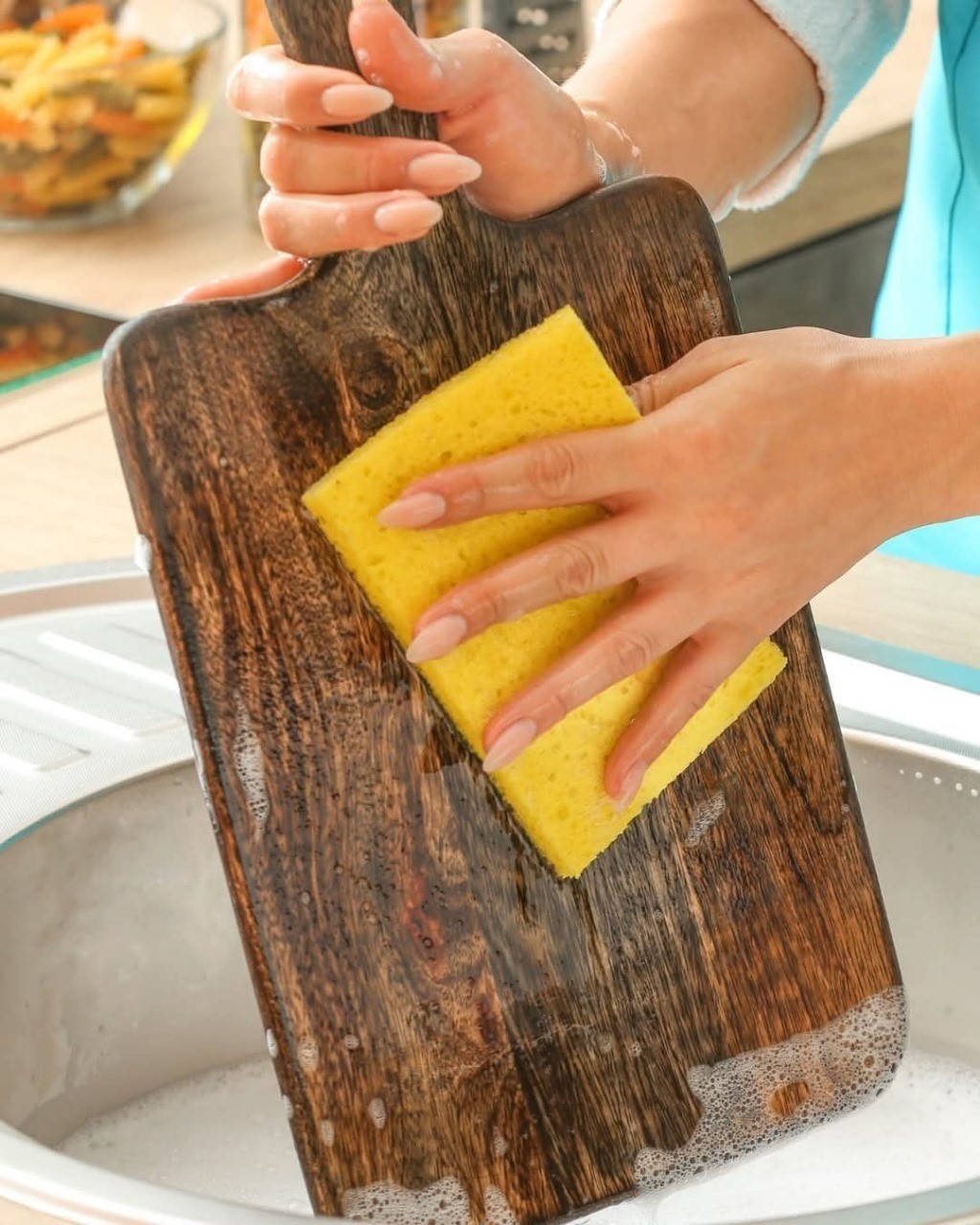
- Wash with hot water and mild dish soap using a sponge or brush.
- Rinse quickly—do not soak.
- Dry upright with good air circulation.
Deep cleaning & deodorizing:
- Sprinkle coarse salt or baking soda on the surface.
- Scrub with half a lemon.
- Rinse and dry thoroughly.
Extra care:
- Oil monthly with food-grade mineral oil to prevent cracking.
- Never put wooden boards in the dishwasher.
Plastic Cutting Boards
Plastic boards are easy to clean and dishwasher-safe, but knife grooves can trap bacteria.
How to clean:
- Wash with hot, soapy water or place in the dishwasher.
- For sanitizing, soak in a solution of 1 tablespoon bleach per gallon of water for 1–2 minutes, then rinse and dry.
When to replace:
- If deep grooves or stains remain after cleaning, it’s time for a new board.
Bamboo Cutting Boards
Bamboo boards are harder than wood and more water-resistant, but they can be brittle.
How to clean:
- Hand-wash with mild soap and warm water.
- Dry immediately after washing.
Deep cleaning:
- Use baking soda and lemon to remove odors and stains.
Avoid:
- Soaking, dishwashers, and harsh chemicals.
Glass Cutting Boards
Glass boards don’t absorb bacteria but are tough on knives.
How to clean:
- Wash with hot, soapy water or place in the dishwasher.
- Use vinegar or baking soda for stubborn smudges.
Tip:
- Avoid using glass boards for heavy chopping to protect your knives.
Stone or Marble Cutting Boards
Often used for serving rather than chopping, these boards need gentle care.
How to clean:
- Wash with mild soap and warm water.
- Dry immediately to prevent stains.
Avoid:
- Acidic cleaners like vinegar or lemon, which can damage the surface.
General Safety Tips
- Use separate boards for raw meat, produce, and cooked foods.
- Clean boards immediately after cutting raw meat or seafood.
- Replace boards that crack, split, or develop strong odors.
The Takeaway
Keeping your cutting boards clean isn’t just about appearance—it’s about food safety. By cleaning each board according to its material, you extend its life, protect your knives, and keep your kitchen healthier.
A few extra minutes of proper care can make a big difference in how safe—and how long—your cutting boards serve you.
