
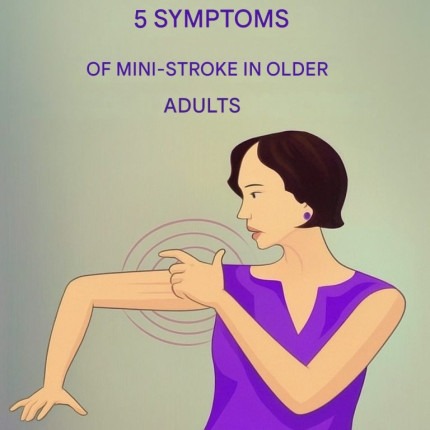
5 Symptoms of a Mini Stroke in Seniors That Shouldn’t Be Ignored
A mini stroke, also known as a transient ischemic attack (TIA), may last only a few minutes and often goes unnoticed. However, even though symptoms may disappear quickly, a TIA is a serious warning sign that a full stroke could occur in the near future. Recognizing the signs early can save lives and prevent long-term damage, especially in seniors.
Here are five key symptoms that should never be ignored:
1. Sudden Weakness or Numbness
This usually affects one side of the body, including the face, arm, or leg. Even mild weakness or numbness can be a red flag and should prompt immediate medical attention.
2. Trouble Speaking or Understanding Speech
Slurred speech, difficulty finding words, or confusion when talking or listening are classic signs. Family members often notice this before the person themselves realizes something is wrong.
3. Sudden Vision Changes
Temporary blindness in one eye, double vision, or blurred vision can signal a TIA. Any sudden change in eyesight should be treated seriously.
4. Loss of Balance or Coordination
Unexplained dizziness, difficulty walking, or sudden loss of coordination may indicate a problem with blood flow to the brain. Even brief episodes warrant evaluation.
5. Severe Headache
A sudden, intense headache, different from usual headaches or migraines, can sometimes accompany a mini stroke. It may also be accompanied by nausea or vomiting.
What to Do If You Suspect a Mini Stroke
- Call emergency services immediately — even if symptoms subside quickly.
- Do not drive yourself; seek professional medical help.
- Note the time symptoms began — this information helps doctors make treatment decisions.
Prevention and Ongoing Care
After a TIA, seniors may need:
- Blood pressure and cholesterol management
- Healthy lifestyle changes (diet, exercise, quitting smoking)
- Medications to reduce clotting risk
- Regular check-ups with a healthcare professional
Bottom Line
Even if symptoms disappear, a mini stroke is a warning sign, not a minor event. Early recognition and immediate action are critical for preventing a full stroke and protecting long-term brain health.
